

Benign Prostatic Hyperplasia (BPH)
At Riverstone Urology Specialists, Dr. Russell Libby evaluates and treats BPH for men from Cypress, The Woodlands, Tomball, and nearby communities. His goal is simple. Protect your bladder and kidneys, relieve symptoms, and match treatment intensity to how much BPH affects your life.
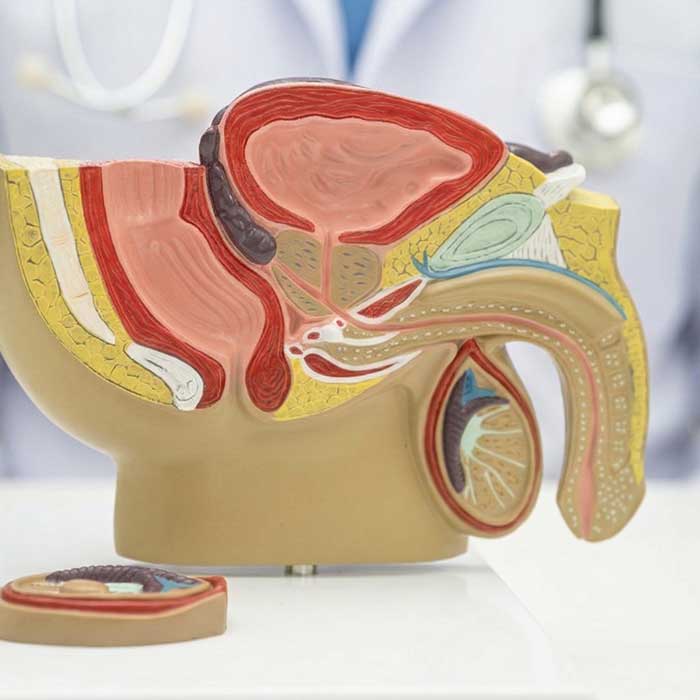
What Is BPH
Key Facts
- BPH is noncancerous enlargement of the prostate.
- It is very common. Studies show microscopic BPH in about 50 to 60 percent of men in their 60s and up to 80 to 90 percent of men in their 70s.
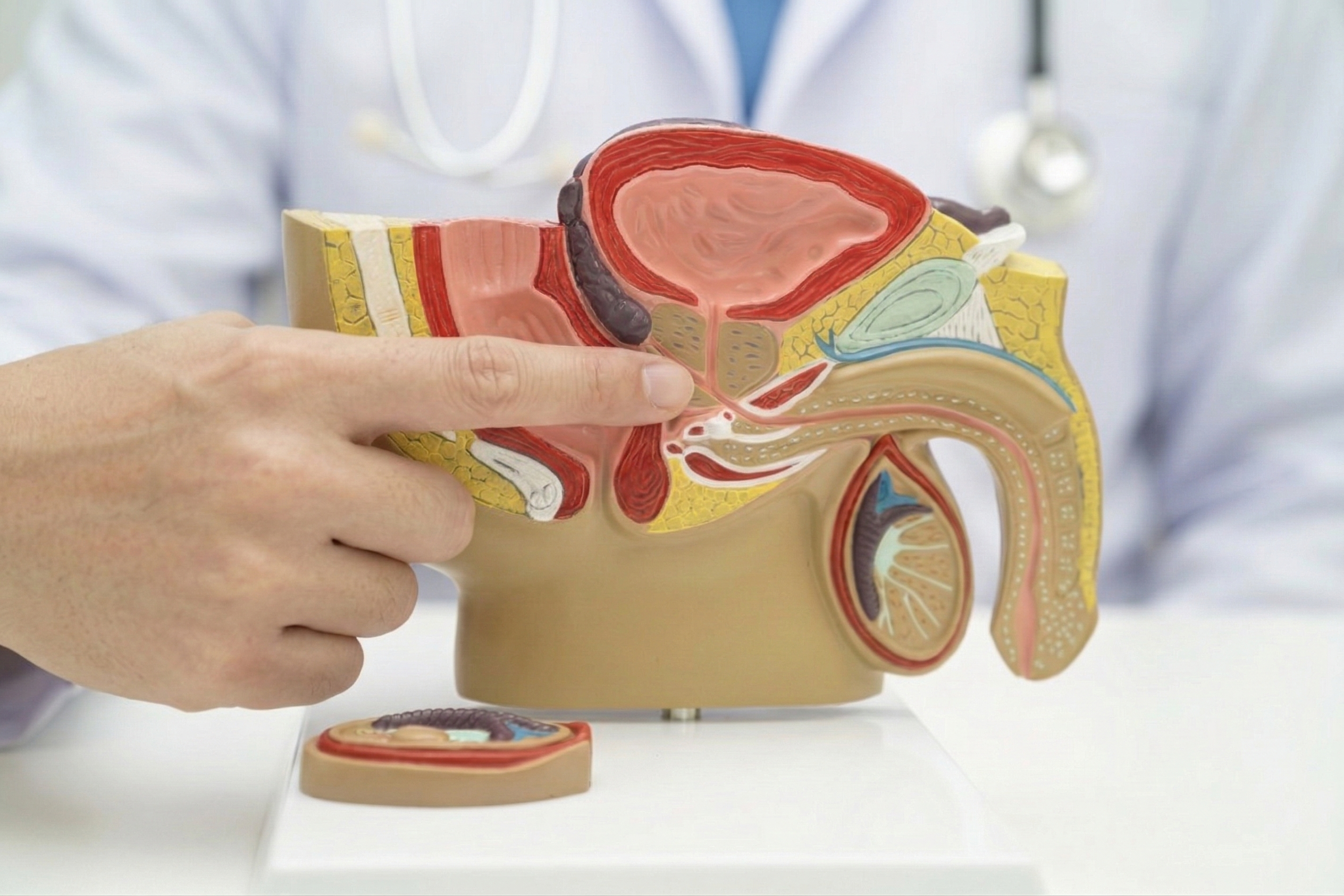
- As the gland grows, it can press on the urethra and disrupt urine flow.
Common Symptoms Of BPH
Typical Symptoms Include

Voiding (Emptying) Symptoms
- Weak or slow urine stream
- Trouble starting the stream
- Stop and start flow
- Straining to urinate
- Feeling that the bladder does not empty
Storage Symptoms
- Urinating often during the day
- Waking at night to urinate
- Sudden, strong urges to urinate
- Leaking on the way to the bathroom
Symptoms can feel mild at first, then slowly increase. The degree of bother does not always match prostate size, which is why evaluation matters.

When To Get Checked
Dr. Libby Encourages Men To Schedule A Visit If They Notice
- Nighttime urination more than once per night
- Any difficulty starting or maintaining the stream
- New leakage, urgency, or accidents
- Blood in the urine
- Sudden inability to pass urine, which is an emergency
How Dr. Libby Evaluates BPH
BPH Care At Riverstone Urology Starts With A Structured Evaluation, Not A Quick Prescription.
Typical Steps Include
- Detailed discussion of urinary and sexual symptoms
- Review of medical history, medicines, and family history
- Focused physical exam, including a digital rectal exam to estimate prostate size and feel for concerning nodules
- Symptom scoring using a standard questionnaire such as the International Prostate
- Symptom Score to measure severity and track progress
- Urinalysis to look for blood, infection, or sugar
- PSA testing when appropriate for age and risk
- Bladder scan after urination to measure how much urine remains
- In some men, uroflow testing to measure urine flow rate
If Symptoms Are Significant Or If There Is Concern For Another Problem, Dr. Libby May Add
- Prostate and bladder ultrasound
- Cystoscopy to look directly at the urethra, prostate channel, and bladder
- Prostate MRI or further cancer workup if findings suggest that is needed
What Happens If BPH Is Ignored
Possible Consequences Include
- Bladder muscle thickening and overactive bladder
- Worsening urgency and urinary leakage
- Recurrent urinary tract infections
- Bladder stones
- Episodes of complete urinary retention
- Pressure on the kidneys in severe long term cases

Treatment Options For BPH At Riverstone Urology
Dr. Libby Builds BHP Plans Around Three Ideas.
- How much do symptoms affect your life
- How healthy is your bladder and kidney function
- What matters most to you in terms of recovery, medicines, and sexual function
Watchful Waiting And Lifestyle Changes
For men with mild symptoms and no kidney or bladder damage, simple steps sometimes work well.
These can include
- Adjusting evening fluid intake
- Limiting caffeine and alcohol, which can irritate the bladder
- Timed voiding and double voiding to help empty better
- Reviewing current medicines that might worsen symptoms
Medications
Several medicine classes help many men with BPH.
- Alpha blockers: Relax prostate and bladder neck muscle to improve flow. Often work quickly.
- 5 alpha reductase inhibitors: Slowly shrink prostate tissue over months in men with larger glands.
- Combination therapy: Uses both approaches in selected men.
Office Based And Minimally Invasive Procedures
Riverstone Urology offers several procedures that treat the blockage more directly.
- UroLift prostatic urethral lift: Small implants pull prostate tissue away from the urethra to open the channel without removing tissue. Often suits men with moderate BPH who value short recovery and sexual function.
- GreenLight laser therapy: Uses laser energy through a scope to vaporize obstructing tissue and create a wider channel. Often helps men with more significant blockage and larger glands.
- Aquablation therapy: Uses robotic guidance and a high speed waterjet to remove tissue in a precise pattern. Often chosen for larger prostates or when detailed planning matters for preserving function.
Surgical Options
For some men, especially with very large prostates, severe bladder damage, or repeated urinary retention, traditional surgery remains the best path.
These can include
- Transurethral resection of the prostate (TURP)
- Simple prostatectomy in selected large glands
BPH, Sexual Health, And Overall Wellness
BPH Rarely Stands Alone. Many Men With Enlarged Prostates Also Deal With
- Erectile dysfunction
- Low testosterone
- Weight gain and metabolic syndrome
- Sleep apnea
BPH Care At Riverstone Urology
If you notice weaker stream, frequent bathroom trips, nighttime urination, or worry about long term bladder or kidney health, schedule a visit with Dr. Libby. The first step is a clear explanation of what is happening and a plan that fits your life, whether that means close monitoring, medicines, or a procedure from the BPH toolkit already in place at Riverstone Urology.