

Varicoceles
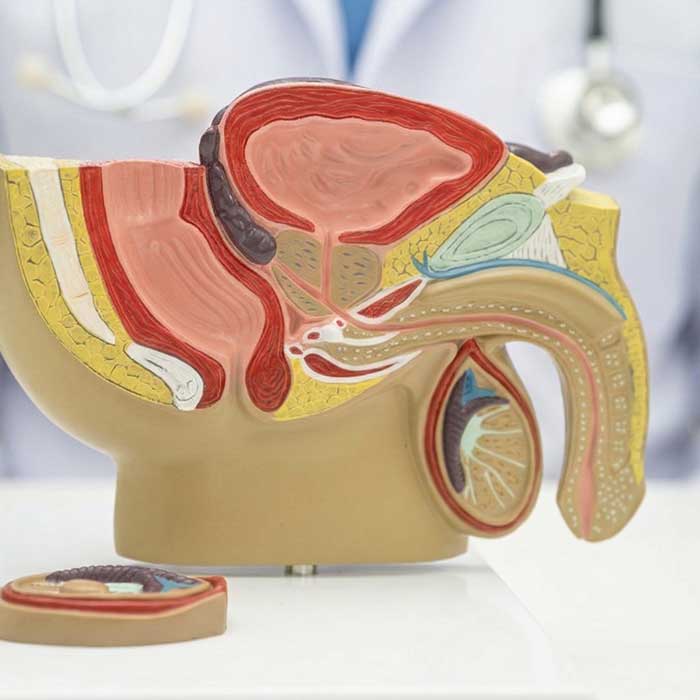
Varicoceles In Teens And Young Men
At Riverstone Urology Specialists in Cypress, Dr. Russell Libby evaluates varicoceles with a focus on growth, comfort, and long term fertility. This page explains what families need to know when a pediatrician or school physical finds a varicocele.
What Is A Varicocele?
When The Veins Stretch And Twist, They Often Feel Like A Soft “Bag Of Worms” Above The Testicle. Varicoceles Usually
- Occur on the left side
- Appear during puberty or the teenage years
- Affects roughly one out of ten to fifteen males

How The Veins Work In A Healthy Scrotum
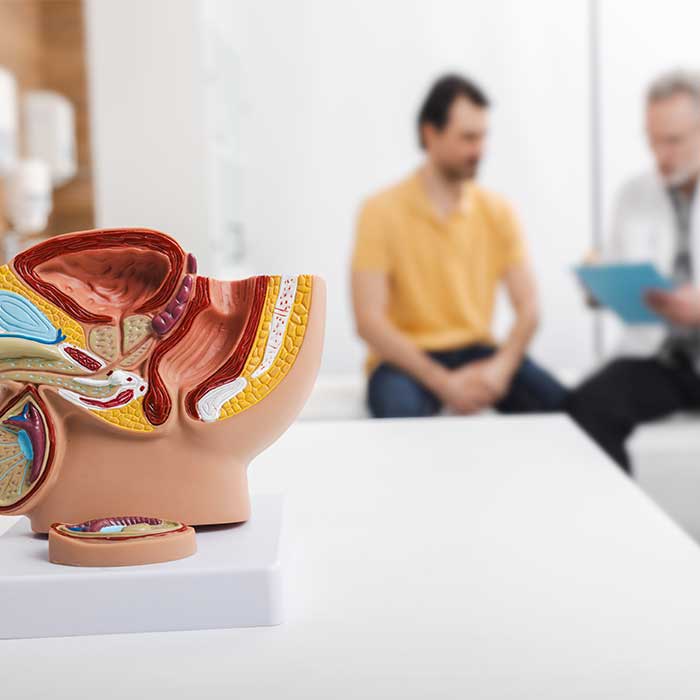
The Scrotum Holds The Testicles, Which Produce Sperm And Testosterone. Each Testicle Hangs From A Structure Called The Spermatic Cord. The Cord Contains
- The vas deferens, which carries sperm
- The testicular artery
- Nerves
- The pampiniform plexus, a fine network of veins
When the veins enlarge and blood pools, the testicle can warm up and lose some of that temperature control. Over time, this can affect growth of the testicle and sperm quality, especially if the varicocele is large and left untreated.
Symptoms And How Varicoceles Are Found

Most Boys And Men With A Varicocele Have No Symptoms. Many First Hear About It At
- A school or sports physical
- A routine checkup with their pediatrician or family doctor
- A urology visit for another concern
Possible Signs Include
- A soft, ropey, “bag of worms” feeling above the testicle
- A heavy or dull ache in the scrotum, often worse after standing for a long time
- A left testicle that looks or feels smaller than the right during puberty
- Fertility problems later in life
Diagnosis Usually Begins With
- A physical exam while standing and lying down
- A scrotal ultrasound to measure testicle size and look at blood flow and veins

What Causes A Varicocele
Several Factors Come Together To Create A Varicocele. In Many Males
- Valves inside the scrotal veins do not work well or are missing
- Blood tends to flow backward and pool in the veins
- The left testicular vein drains into larger veins at an angle that makes pooling more likely
Most teens with a varicocele do not have a serious underlying disease. The veins themselves are the main issue.
When Parents Should Schedule A Visit
You Should Schedule An Appointment With Riverstone Urology If
- A pediatrician or school physical mentions a varicocele
- Your son feels a lump, ropey veins, or a size difference between testicles
- He reports a heavy or aching feeling in the scrotum
- There is concern about future fertility
- You are unsure whether a new scrotal change is a varicocele or something else

How Dr. Libby Evaluates A Varicocele
Evaluation Aims To Keep Things Simple While Answering Key Questions.
History And Exam
Dr. Libby will ask about
- When the swelling or ache started
- How often discomfort shows up and what makes it better or worse
- Sports and activity level
- Any history of trauma, infection, or surgery in the groin
He will then examine the scrotum while your son is standing and then lying down. During the exam, he checks
- Size and position of each testicle
- Presence and grade of the varicocele
- Any separate mass or concern that does not fit a routine varicocele
Scrotal Ultrasound
A scrotal ultrasound often follows. This painless test
- Confirms the diagnosis
- Measures testicle size on each side
- Looks for other causes of swelling or pain
Treatment Options At Riverstone Urology
Not Every Varicocele Needs Treatment. The Plan Depends On Testicle Growth, Pain Level, And Future Fertility Goals.
Observation And Follow Up
Observation is often the first choice when
- Both testicles are growing normally
- There is little or no pain
- There are no clear fertility concerns yet
Observation usually includes
- Regular exams with size measurements
- Periodic ultrasound when needed
- Education on self exam and what changes to report
The goal is to watch for any lag in growth of the affected testicle or any new symptoms.
Support And Pain Relief
For teens and young men with mild aching or heaviness, simple steps often help
- Supportive underwear or an athletic supporter for sports and long days standing
- Rest lying on the back to let the veins drain and relieve pressure
- Nonprescription pain relievers, as long as a doctor agrees they are safe for your son
Surgical Repair
Surgery becomes a stronger option when
- The affected testicle is clearly smaller
- Pain interferes with daily activity or sports
- Semen testing in an older teen shows a problem
- There is worry about long term fertility and conservative care has not helped
Surgical repair, called varicocelectomy, closes off the enlarged veins so blood no longer pools in them. Healthy veins then carry blood away from the testicle.
Approaches include
- Microsurgical varicocelectomy through a small groin incision
- Laparoscopic repair through tiny incisions in the abdomen
Most patients go home the same day. Soreness is usually mild to moderate and improves over a few days. Your son will receive clear instructions about activity limits, sports, and follow up visits.
Embolization
Embolization is a non-surgical option in selected patients. An interventional radiologist
- Inserts a small catheter into a vein in the groin or neck
- Threads it to the veins that form the varicocele
- Blocks those veins from the inside using tiny coils or special material
Dr. Libby will explain both surgery and embolization and help you choose the approach that fits your son best.
Common Questions From Families
What Happens If We Choose No Treatment
Does My Teenage Son Need Surgery Right Away
Not always. Surgery is usually considered when
- The affected testicle falls behind in size
- Pain is frequent or limits sports and daily activity
- A semen test in an older teen shows a clear problem
What Helps With Pain At Home
Is A Varicocele The Same As Testicular Cancer
Varicocele Care At Riverstone Urology
At Riverstone Urology In Cypress, Families Receive
- Clear, age appropriate explanations
- Careful tracking of testicle growth over time
- Practical strategies for symptom relief
- Surgical and interventional options when treatment is needed