

Urinary Tract Infection (UTI)
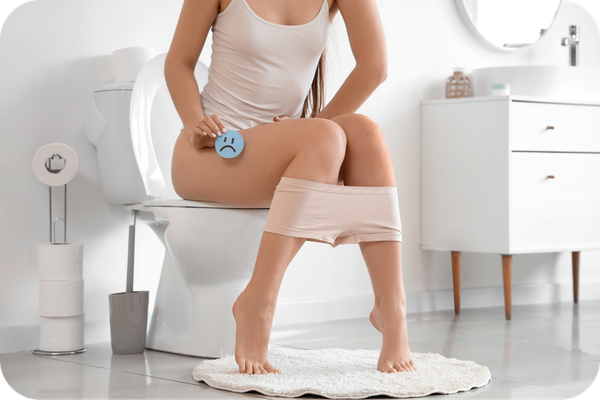
Burning with urination, constant urges, and pelvic pressure make it hard to think about anything else. A urinary tract infection turns simple errands and sleep into a constant search for a bathroom.
At Riverstone Urology Specialists in Cypress, Dr. Russell Libby evaluates and treats UTIs for adults from North Houston, Cypress, The Woodlands and nearby communities. His goals are clear. Relieve pain, clear the infection, and reduce the chance of kidney damage or future infections.
What Is A Urinary Tract Infection
A Urinary Tract Infection Happens When Bacteria Grow Inside The Urinary System. That System Includes:
- Urethra, the tube that carries urine out of the body
- Bladder, the storage organ in the pelvis
- Ureters, the tubes from kidneys to bladder
- Kidneys, the filters high in the back
Most UTIs involve the urethra and bladder. Infections that reach the kidneys create a more serious problem called pyelonephritis, with stronger symptoms and a higher risk for complications.
Common Uti Symptoms

Lower Tract Infections Often Bring:
- Burning or pain during urination
- Strong need to urinate, even with little urine
- Frequent trips to the bathroom
- Passing small amounts of urine
- Cloudy urine
- Strong or unpleasant urine odor
- Pink or red urine from blood
- Pelvic pressure or pain
When Infection Reaches The Kidneys, Symptoms Often Add:
- Fever and chills
- Nausea or vomiting
- Pain in the side or back, below the ribs
Fever with flank pain and UTI symptoms signals a higher risk situation that needs urgent care.

Why UTIs Happen
Bacteria normally live on the skin and around the anus. Trouble starts when those bacteria move into the urethra and then upward.
Important Contributors:
- Wiping back to front after a bowel movement, which moves bacteria toward the urethra
- Poor hand or perineal hygiene
- Shorter urethra in women, with the opening close to the anus
- Sexual activity that increases movement of bacteria toward the urethra
- Vaginal dryness and tissue changes after menopause
- Incomplete bladder emptying from problems such as BPH or prolapse
- Kidney stones and other blockages
- Diabetes and other conditions that weaken immune response
Women experience UTIs more often than men because of anatomy, although men still face risk, especially later in life or when prostate problems are present.
When To See Dr. Libby
You Should Schedule A Visit With Dr. Libby If You Notice:
- Burning with urination that lasts longer than a day
- Frequent urges with small urine volumes
- New pelvic pressure or bladder discomfort
- Blood in the urine
- Repeated infections over time
You Need Same Day Or Emergency Attention At An Urgent Care Or Er If You Notice:
- Fever, chills, or feeling very sick
- Strong pain in the side or back
- Nausea or vomiting that limits fluid intake
- UTI symptoms during pregnancy
- UTI symptoms in someone frail or with serious medical problems
Kidney infections and complicated UTIs raise the risk for sepsis, kidney damage, and in rare cases heart and stroke complications without prompt treatment.
How Dr. Libby Evaluates a UTI
Evaluation At Riverstone Urology Follows A Structured Plan.
History
- Symptom pattern and timing
- Previous UTIs and treatments
- Sexual history and hygiene habits
- Past kidney stones, BPH, or pelvic surgery
- Other medical conditions and medicines
Exam And Basic Tests
- Focused abdominal and pelvic exam
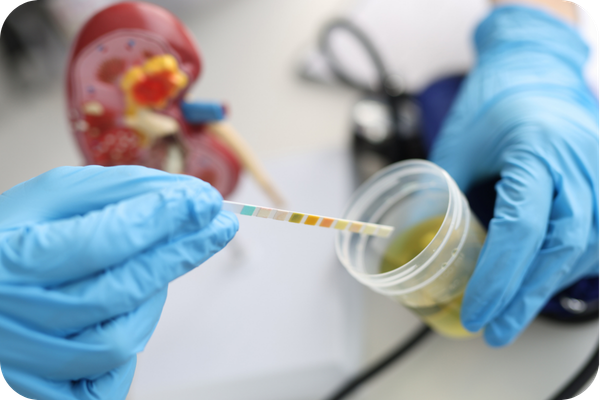
- Urinalysis to look for white blood cells, blood, nitrites, and other signs of infection
- Urine culture to identify bacteria and guide antibiotic choice
Extra Testing When Needed
- Blood tests for kidney function and signs of severe infection
- Ultrasound or CT for suspected stones, blockage, or kidney infection
- Cystoscopy or more detailed imaging for recurrent or complicated infections
This approach separates a simple bladder infection from more complex problems such as stones, obstruction, or underlying anatomy issues.
Treatment For Urinary Tract Infections
Most Straightforward UTIS Respond Well To Oral Antibiotics And Symptom Relief.
Typical Elements:
- Targeted antibiotic based on history and local patterns, adjusted when culture results arrive
- Pain relief with urinary analgesics and anti inflammatory medicine
- Strong hydration plan unless another condition limits fluids
- Clear guidance to finish the full antibiotic course, even after symptoms improve, to lower the risk of relapse and resistance
Kidney Infections And Complicated Utis Often Need:
- Intravenous antibiotics in a hospital or infusion setting
- Close monitoring of vital signs and kidney function
- Imaging to confirm drainage from the affected kidney
Dr. Libby explains the level of infection and matches treatment intensity to the real risk, not only the discomfort.
Recurrent UTIs
Some People Face UTIs Again And Again. Recurrent UTI Usually Means:
- Three or more infections in twelve months
- Or two or more in six months, with clear symptom relief between episodes
Common Patterns And Risk Factors:
- Frequent sexual intercourse or new partners
- Spermicide use
- Menopause related changes in vaginal tissue
- Incomplete bladder emptying
- Kidney stones, BPH, prolapse, or other anatomy issues
- Certain bowel or metabolic disorders
For Recurrent Infections, Dr. Libby Often:
- Reviews bladder emptying and screens for stones or obstruction
- Sends more urine cultures to confirm the exact bacteria each time
- Looks for patterns related to sex, hygiene, or other triggers
- Discusses behavior changes such as timed voiding, hydration, and bowel management
When Needed, He Talks Through Advanced Prevention Plans Such As:
- Low dose antibiotic regimens for a defined period
- Single dose antibiotics after sex for those with clear post intercourse infections
- Vaginal estrogen for postmenopausal women as part of a broader pelvic health plan
- Non antibiotic strategies outlined in current UTI and recurrent UTI guidelines
Antibiotic overuse raises resistance, so prevention plans balance symptom control with long term safety.

Preventing Future Infections
Simple Habits Lower The Odds Of Another UTI, Especially After Treatment Finishes:
- Drink enough fluid to keep urine light in color, within any limits from other doctors
- Urinate regularly and avoid long periods of holding urine
- Wipe front to back after bowel movements
- Urinate soon after sexual activity
- Avoid strong scented products on the genital area
- Address constipation so stool does not press on the bladder
- Follow through with any pelvic floor or BPH treatment plans
Dr. Libby may also review cranberry products or other supplements, with honest discussion of mixed evidence, so you know what matters most and what plays a minor role.
UTIs And Other Urologic Conditions
UTIs Often Intersect With Other Problems That Riverstone Urology Already Treats:
- BPH and incomplete bladder emptying
- Kidney stones that block flow or harbor bacteria
- Overactive bladder with frequent, urgent trips that hide early infection signs
- Pelvic organ prolapse in women
- Sexual health issues that affect comfort and hygiene
Treating these linked conditions often reduces UTI risk and improves overall urinary health at the same time.
UTI Care At Riverstone Urology
Urinary tract infections feel miserable, but they respond well to timely, focused care. At Riverstone Urology, Dr. Libby offers fast evaluation, clear explanations, and tailored treatment plans for adults in North Houston, Cypress, The Woodlands and nearby communities.
If you notice burning with urination, frequent urges, pelvic discomfort, or blood in your urine, reach out to schedule a visit. The first step is a urine test, a straightforward exam, and a plan that brings relief now while lowering risk for future infections.