
Transurethral Resection Of The Prostate (TURP)
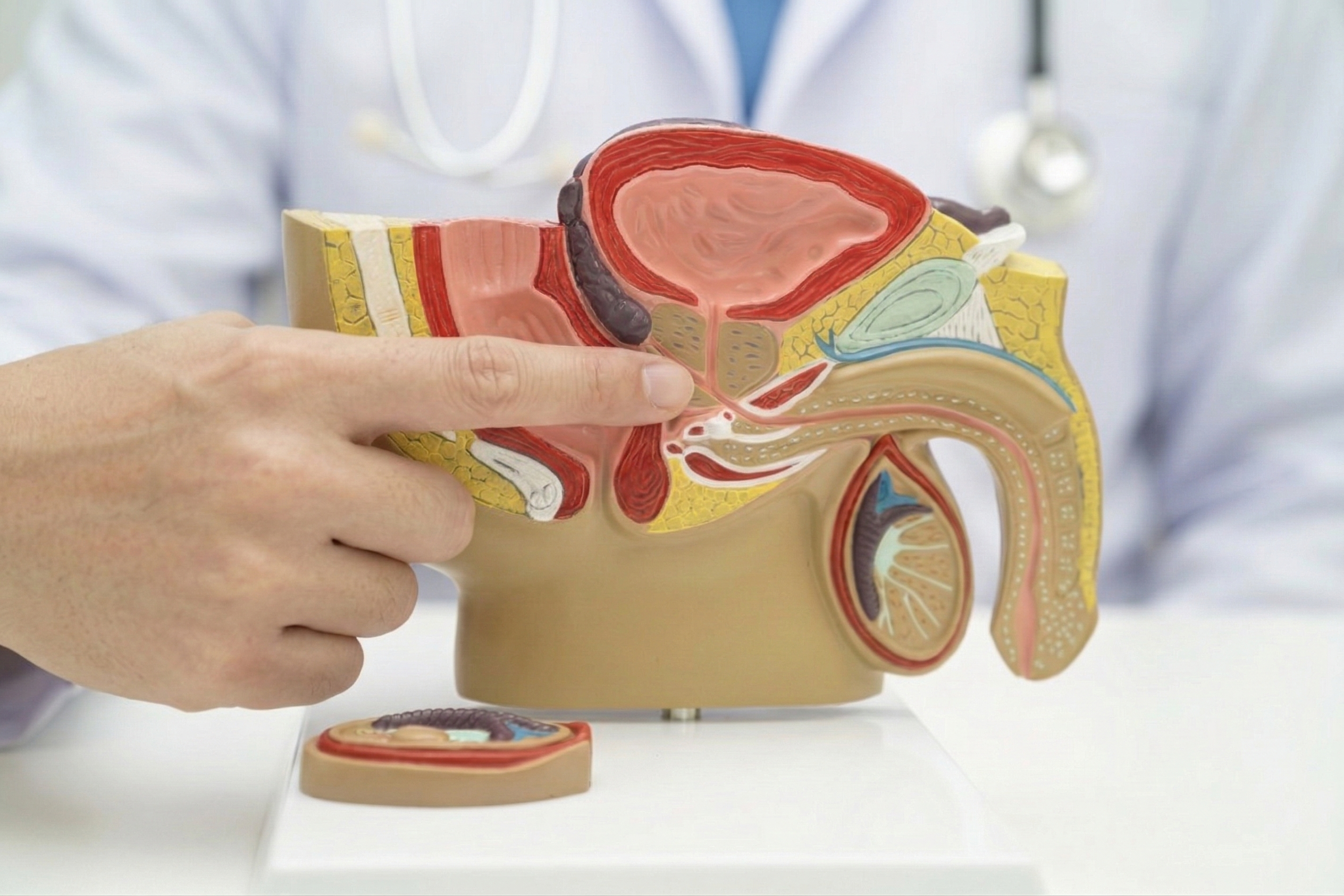
When an enlarged prostate starts to block urine flow, life gets uncomfortable fast. Frequent trips to the bathroom, weak stream, and poor sleep wear you down. When lifestyle changes and medicines no longer give enough relief, surgery enters the picture.
At Riverstone Urology in Cypress, Dr. Russell Libby offers transurethral resection of the prostate, or TURP, for men with moderate to severe symptoms from benign prostatic hyperplasia, BPH. TURP has a long track record and remains a core surgical option for BPH in national guidelines.
BPH And Why TURP Exists
The Prostate Sits Just Below The Bladder And Wraps Around The Urethra, The Tube That Carries Urine Out Of The Body. With Age, The Inner Portion Of The Gland Grows And Squeezes That Tube, Which Leads To:
- Weak or slow urine stream
- Hesitation and trouble getting started
- Stopping and starting during urination
- Feeling like the bladder never empties
- Frequent or urgent trips to the bathroom
- Nighttime trips that interrupt sleep
Medicines often help at first. When symptoms stay strong or complications show up, surgery to remove the blocking tissue gives more reliable relief. TURP is one of the main operations used for this purpose.

What Is TURP
Transurethral resection of the prostate removes the inner part of the enlarged prostate from the inside out.
Key Points In Simple Terms:
- No external cuts in the skin
- A thin scope, called a resectoscope, passes through the urethra
- A small wire loop at the tip shaves away obstructing prostate tissue
- The outer shell of the prostate stays in place
- Removed tissue is flushed out and sent to the lab
At Riverstone Urology, Dr. Libby uses modern bipolar technology when appropriate. Bipolar systems use saline irrigation and reduce the risk of certain older fluid related complications, with similar symptom relief to classic monopolar TURP.
Who TURP Is For
National Guidelines Still Describe TURP As A Benchmark Procedure For BPH, Even As Newer Minimally Invasive Techniques Grow In Use.

Dr. Libby Uses TURP When:
- Symptom relief needs to be strong and durable
- Prostate size and anatomy fit TURP well
- Medicines and lighter procedures do not match your goals or have already failed
He Weighs TURP Against Options Such As:
- Aquablation therapy
- UroLift
- GreenLight laser therapy
- Rezum style water vapor therapy
- Robotic or open simple prostatectomy for very large glands
- Prostatic artery embolization in select cases
You and Dr. Libby review your symptoms, goals for ejaculation and sexual function, medical history, and work schedule, then choose a path together.

Treating Underlying Medical Problems
Most TURP Procedures Follow A Sequence Like This:
- You arrive at the surgery center or hospital and meet the anesthesia team.
- General anesthesia or spinal anesthesia keeps you comfortable and still.
- The resectoscope passes through the urethra into the bladder.
- Under camera guidance, Dr. Libby uses a heated loop to shave away prostate tissue in the transition zone, the part that squeezes the urethra.
- Bleeding vessels are sealed as the work proceeds.
- Tissue chips are flushed into a collection device and sent to the lab to check for hidden cancer.
- A catheter is placed in the bladder for drainage and continuous irrigation.
Surgery time depends on prostate size and anatomy. You move from the operating room to a recovery area for monitoring afterward.
Possible Risks And Side Effects
All Surgery Carries Risk. TURP Has A Long History, Which Helps Define Typical Outcomes.
Common Or Expected Changes
- Retrograde ejaculation: Semen flows backward into the bladder during orgasm instead of out through the penis. Sensation of orgasm stays. Fertility drops, so men who still want children need a different plan.
- Temporary burning and urgency: Urination often feels irritated in the first weeks. Frequency and urgency sometimes rise before they improve.
- Mild blood in the urine: Light pink urine or small clots show up off and on as the healing surface sheds.
Less Common Risks
- Urinary tract infection
- Short term trouble with bladder control
- Scar tissue at the bladder neck or in the urethra that narrows flow
- New or worsened erectile dysfunction in a small percentage of men
- Need for repeat TURP years later if tissue regrows
Dr. Libby reviews your personal risk profile in detail before surgery, including how your medicines and other health problems affect risk.
Recovery After TURP
Recovery Aims For Better Flow While Protecting The Healing Surface Inside The Prostate Channel. The General Pattern Looks Like This, Though Details Are Tailored To You:
Hospital Stay And Catheter
- Short stay in the hospital or surgery center for observation
- Bladder irrigation through the catheter to keep urine clear
- Catheter removal once bleeding settles and you pass a voiding trial
First Weeks At Home
- Light activity at home, with walking encouraged
- No heavy lifting, straining, or vigorous exercise for several weeks
- No sexual activity until Dr. Libby clears you, often around four to six weeks
- Good hydration to keep urine dilute unless another doctor gave fluid limits
You Should Call The Office Right Away If You Notice:
- Large clots or thick red urine that does not clear
- Inability to pass urine after catheter removal
- Fever, chills, or strong pain in the lower abdomen or back
Most men notice a clear improvement in stream and emptying once early irritation settles.
Alternatives To TURP
Some Men Prefer Or Need Other Approaches. Depending On Your Prostate Size, Anatomy, And Goals, Dr. Libby Might Recommend:
- Aquablation therapy: Robotic waterjet resection of tissue, described on its own Riverstone Urology page.
- UroLift: Implants that pull prostate tissue away from the urethra without removal, often with less impact on ejaculation.
- GreenLight laser therapy: Laser vaporization of obstructing tissue through a scope.
- Water vapor or other minimally invasive therapies: Office based treatments for select prostates and symptom patterns.
- Robotic simple prostatectomy: For very large glands where channel operations are less practical.
TURP stays important because of its long record and strong symptom relief, yet it is no longer the only option. National guidelines now present it alongside several newer techniques.
Consultation For TURP At Riverstone Urology
A TURP Consult With Dr. Libby Includes:
- Full symptom review and exam
- Review of prior medicines and results
- PSA testing and prostate cancer risk assessment when appropriate
- Bladder function testing and imaging when needed
- Discussion of all reasonable options, not only surgery
If TURP Fits Your Situation, You Will Leave With:
- A clear explanation of the procedure
- Written pre and post operative instructions
- A plan for medicines, work leave, and follow up visits
Riverstone Urology serves men from Cypress, The Woodlands, Tomball, and nearby communities who need relief from BPH that goes beyond medicines.
If urinary symptoms disrupt your sleep, work, or daily life, or if you already live with a catheter from BPH, contact Riverstone Urology to schedule a visit with Dr. Libby and talk through whether TURP or another procedure is the right next step.

Riverstone Urology Specialists is the private urology practice of Russell P. Libby, MD, a board certified urologist serving adults in Cypress.
Quick Links


Copyright © 2026 Riverstone Urology, All rights reserved | Sitemap