

Extracorporeal Shock Wave Lithotripsy (ESWL)
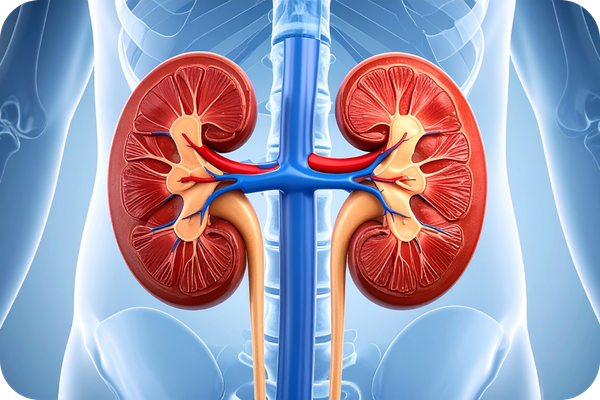
At Riverstone Urology Specialists, Dr. Russell Libby uses extracorporeal shock wave lithotripsy, or ESWL, for selected stones as part of a larger stone management plan. ESWL uses focused sound waves from outside the body to break a stone into smaller pieces so fragments pass more easily in the urine.
What Is ESWL
Key Ideas
- A machine called a lithotripter sends focused shock waves through the skin toward a kidney or ureteral stone.
- Imaging such as X-ray or ultrasound guides those shock waves to the exact stone location.
- Repeated pulses weaken and crack the stone into sand-like fragments.
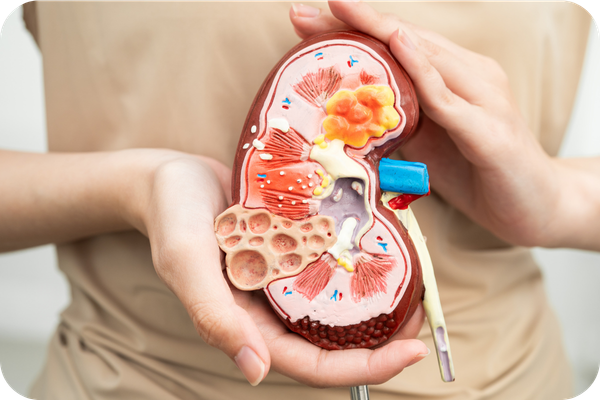
When Dr. Libby Considers ESWL
Eswl Is One Option Among Several For Stone Treatment. Dr. Libby Looks At A Few Factors Before Recommending It.

Stone Size
Stone Location
Stone Visibility
Patient Factors
How ESWL Compares With Other Stone Treatments
During A Stone Visit, Dr. Libby Usually Lists The Main Choices Side By Side.
Medical Expulsive Therapy
ESWL
Ureteroscopy With Laser Lithotripsy
Percutaneous Surgery
How To Prepare For ESWL
Before ESWL, Dr. Libby And The Team Complete A Structured Workup.
Evaluation
- Review of pain pattern, prior stones, and past treatments
- Imaging to confirm size, location, and number of stones
- Blood work and urine tests to check kidney function and rule out infection
Medication And Safety Review
- Discussion of blood thinners, aspirin, and other medicines that affect bleeding
- Screening for pregnancy
- Review of heart, lung, and blood pressure history
Instructions Before The Day
- Fasting guidelines if sedation or anesthesia is planned
- Directions on which medicines to hold or adjust

What Happens On The Day Of ESWL
A Typical ESWL Treatment Follows A Predictable Sequence.
- Arrival at the hospital or surgery center and check-in.
- Placement of an IV line for fluids and medicines.
- Positioning on a treatment table or soft cushion that sits over the shock wave source.
- Imaging to line up the stone with the focal point of the lithotripter.
- Sedation or anesthesia, based on the plan made earlier.
- Delivery of several hundred to a few thousand shock waves over 30 to 60 minutes.
Most patients return home the same day.
What To Expect After ESWL
Common Short Term Experiences
- Blood in urine for a short period
- Flank or abdominal soreness
- Waves of colicky pain when fragments move
- More frequent urges to urinate
Dr. Libby usually arranges follow up imaging to confirm stone clearance or to decide on the next step if fragments linger.

Risks And Possible Complications
ESWL Has A Long Track Record And A Strong Safety Profile, Though Every Treatment Carries Risk. Reported Issues Include
- Urinary tract infection
- Blood in urine with clots
- Obstruction from a column of fragments, sometimes called a “steinstrasse,” that blocks urine flow and needs ureteroscopy
- Bruising or discomfort in the flank region
- Rare kidney bleeding or hematoma, more likely in patients with uncontrolled blood pressure or clotting problems
Stone Prevention After ESWL
A Prevention Plan Usually Includes
- Stone analysis when fragments are available
- Blood and urine studies that look for risk factors such as high calcium, uric acid, or low citrate
- Counseling on fluid intake and diet
- Medicine in selected cases to reduce recurrence risk

ESWL For Kidney Stones In Cypress And The Woodlands
If you deal with stone pain, have a known stone that refuses to pass, or hold questions about the right treatment route, schedule a visit with Riverstone Urology Specialists. The goal is a clear picture of your stone, a plan for relief, and a strategy that lowers the odds of going through the same pain again.