

Transurethral Resection Of Bladder Tumor (TURBT)

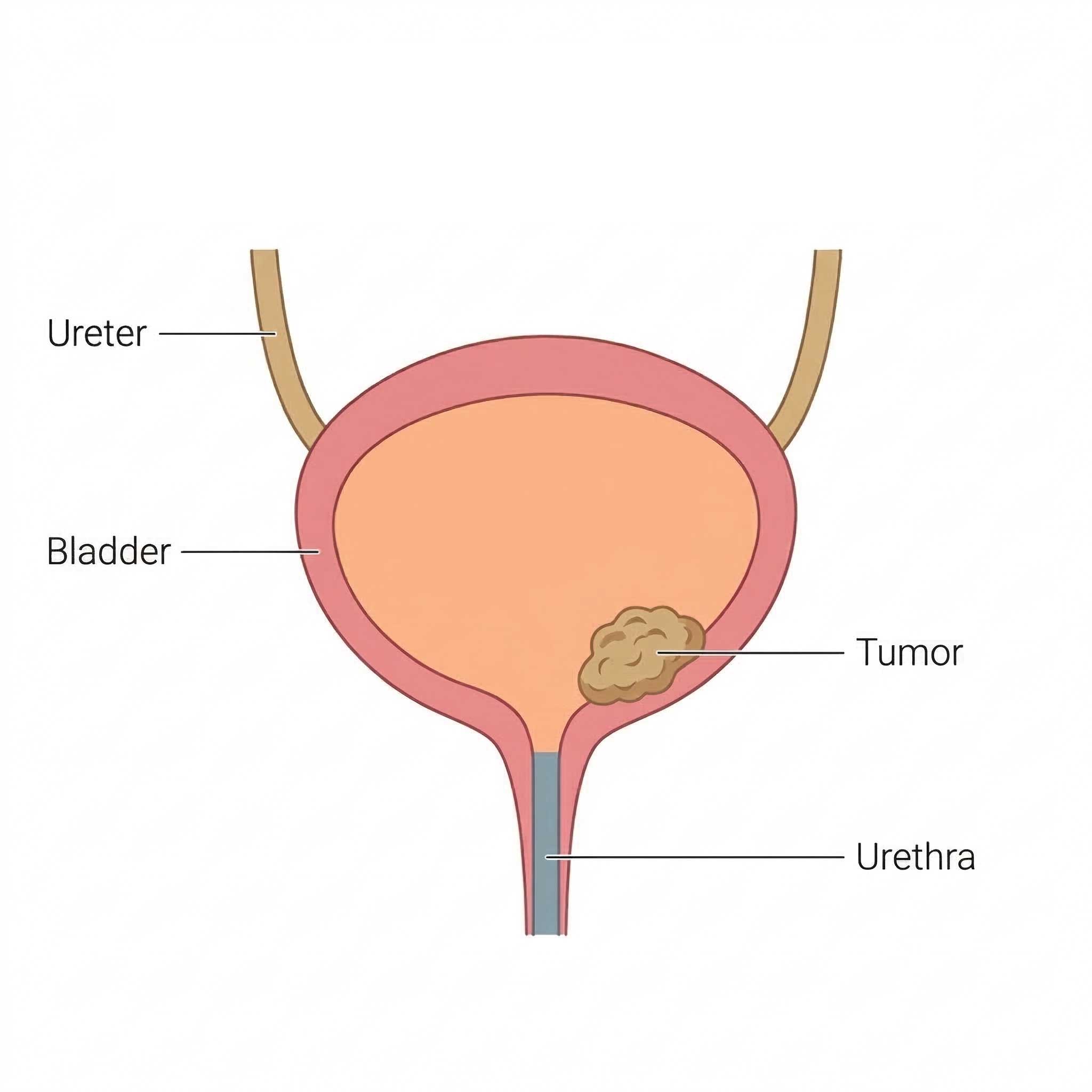
Transurethral Resection of Bladder Tumor, TURBT, is the main procedure doctors use to both diagnose and treat most bladder tumors. A small scope goes through the urethra, so there are no cuts on your skin. The tumor is removed, and the tissue goes to the lab to confirm stage and grade of bladder cancer.
At Riverstone Urology Specialists in Cypress, Dr. Russell Libby uses TURBT as a key first step when you have blood in the urine, a bladder mass on imaging, or a known diagnosis of non muscle invasive bladder cancer.
What Is TURBT?
TURBT Is An Endoscopic Bladder Surgery. During The Procedure
- A thin scope goes through the urethra into the bladder
- A special wire loop or similar tool removes or shaves away the tumor
- The surgeon controls bleeding with electric current or another energy source
- The removed tissue is sent to pathology to confirm the diagnosis and see how deep the cancer goes
TURBT both removes visible tumors and gives the information needed to plan the next steps, such as intravesical therapy or more extensive surgery.
For many people with early, non muscle invasive bladder cancer, TURBT is the first and main treatment.

When Dr. Libby Recommends TURBT
Dr. Libby May Recommend TURBT If
- You have blood in your urine and imaging or cystoscopy shows a suspicious area in the bladder
- Your doctor has already seen a bladder tumor during office cystoscopy
- You have known non muscle invasive bladder cancer and need repeat resection to clear small recurrences or to confirm complete removal of a high risk tumor
- An imaging report mentions a “bladder mass” or “filling defect” that needs a closer look
In bladder cancer care, guidelines call for complete TURBT with good sampling of the bladder wall to stage non muscle invasive disease accurately.
How To Prepare For TURBT
You Receive Specific Instructions Before Surgery, But Typical Steps Include
- Review of your medicines, including blood thinners, aspirin, and supplements
- Possible temporary adjustment of blood thinners, done in coordination with your other doctors
- Basic labs and possibly an EKG based on age and health
- Stopping food and drink for a set time before anesthesia
- Arranging a ride home, since you will not drive after anesthesia
You should bring a list of medicines, allergies, and past surgeries, and let the team know about any bleeding problems or implanted devices.

What Happens During TURBT
TURBT usually takes place in a hospital or surgery center. Most people go home the same day, although an overnight stay is sometimes safest, for example with larger tumors or medical conditions that need extra monitoring.
On The Day Of Surgery
- You receive general or spinal anesthesia, so you stay comfortable.
- The surgeon passes a resectoscope, a type of cystoscope, through the urethra into the bladder.
- The bladder is filled with fluid so the walls spread out and the surgeon can see clearly.
- A wire loop or similar device removes visible tumor tissue in thin slices. The surgeon aims to remove all visible tumor while staying safe.
- The base of the tumor and surrounding bladder wall are sampled to check how deep the cancer goes.
- Bleeding areas are sealed with electric current.
- A catheter is placed at the end to drain the bladder and help prevent clots from blocking urine flow.
For some non muscle invasive tumors, a dose of chemotherapy medicine may be put directly into the bladder within a few hours after surgery to lower the chance of early recurrence.


What The Pathology Report Tells You
The Tissue Removed During Turbt Goes To A Pathologist, Who Reports
- Whether cancer is present
- Tumor type, usually urothelial carcinoma
- Grade, how aggressive the cells look
- Depth of invasion, whether the tumor is confined to the inner lining or reaches deeper layers
- Whether muscle from the bladder wall is present in the sample
Guidelines stress the importance of having muscle in the specimen for accurate staging, especially with high grade tumors.
These details decide whether TURBT alone is enough for now, or if you need intravesical therapy, repeat TURBT, or more extensive surgery.
Right After Surgery

After TURBT
- You go to recovery while anesthesia wears off
- The catheter drains blood tinged urine from your bladder
- The team watches for pain, nausea, and heavy bleeding
Many patients go home the same day with a catheter that stays in for a short period. Others stay overnight if the tumor was large, bleeding was brisk, or other health issues require monitoring.
Expect In The First Days
- Burning when you urinate
- Blood in the urine that may come and go
- Frequent or urgent trips to the bathroom
- Mild lower abdominal discomfort
These symptoms usually improve over one to two weeks as the bladder heals.
Recovery At Home
Dr. Libby And The Nursing Team Will Give You Written Instructions, But Common Guidance Includes
- Drink plenty of fluids during the day to help flush the bladder, unless you have a fluid restriction for heart or kidney disease
- Expect light pink urine, but call if you see heavy bleeding or clots that block flow
- Avoid heavy lifting, strenuous activity, and high impact exercise for about one to two weeks
- Avoid driving while you take prescription pain medicine
- Use a stool softener if needed so you do not strain with bowel movements
- Return to sexual activity only after the bladder has settled and your surgeon clears you
Call The Office Right Away If You Have
- Fever or chills
- Inability to urinate
- Worsening pain not relieved by medicine
- Thick clots or bright red urine that does not lighten with rest and fluids
Possible Risks And Side Effects
Most People Recover From TURBT Without Serious Issues, But Any Surgery Carries Some Risk. Reported Risks Include
- Bleeding, sometimes with clots that can block the catheter or urethra
- Urinary tract infection
- Temporary difficulty urinating after catheter removal
- Injury or perforation of the bladder wall, which may need longer catheter drainage and rarely further surgery
- Scar tissue in the urethra, urethral stricture, which can narrow the urine channel later
- Need for repeat TURBT, especially in high grade or multiple tumors, to confirm complete removal
Your personal risk depends on tumor size and location, your general health, and whether you take blood thinners.

TURBT As Part Of Your Overall Bladder Cancer Plan
TURBT Is Not The Entire Plan For Most People With Bladder Cancer. It Is The Foundation. Bladder Cancer Often Requires
- Regular follow up cystoscopy to watch for recurrence
- Intravesical therapy with chemotherapy or BCG for many non muscle invasive cancers
- Possible repeat TURBT when tumors are high grade, large, or multifocal
These steps follow national guidelines to lower recurrence and progression risk.
If pathology shows muscle invasive disease, TURBT still provides staging and symptom relief, but you will discuss larger treatment choices such as radical cystectomy, chemoradiation, or clinical trials.
TURBT With Dr. Libby At Riverstone Urology
At Riverstone Urology In Cypress, You Receive
- Prompt evaluation of blood in the urine and suspicious imaging findings
- Clear explanations of why TURBT is recommended and what to expect
- Careful, guideline based resection aimed at complete tumor removal and accurate staging
- Coordinated follow up that includes pathology review, next step planning, and long term surveillance
If you have blood in your urine, a bladder mass on imaging, or a new diagnosis of bladder cancer and need to discuss TURBT, contact Riverstone Urology to schedule a consultation with Dr. Libby. A focused procedure and a structured plan give you the best start on managing bladder cancer with clarity and confidence.