

Hormone Therapy
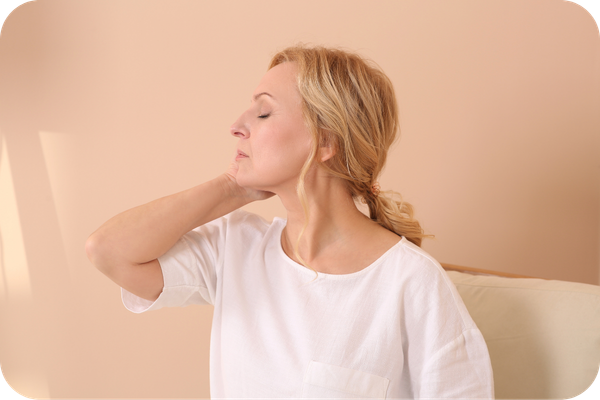
Hormone shifts influence energy, focus, mood, sleep, weight, and sexual health. For many adults, those changes feel vague at first, then start to affect daily life in a steady way.
At Riverstone Urology Specialists, Dr. Russell Libby offers Biote hormone pellet therapy for selected men and women with clear hormone imbalance and documented symptoms. Biote is one form of bioidentical hormone replacement therapy that uses tiny pellets placed under the skin to release hormones in a steady pattern over time.
This page explains how Biote works, where it fits in Dr. Libby’s approach, and what patients need to know about benefits and risks.
What Is Biote Hormone Pellet Therapy
Biote Is A Branded Method Of Bioidentical Hormone Replacement Therapy. Key Ideas.
- Pellets are small cylinders, about the size of a grain of rice.
- They are custom compounded from plant derived hormones that match the structure of human hormones, such as estradiol and testosterone.
- Pellets go under the skin, usually in the upper buttock or hip.
- The pellets slowly dissolve and release hormone into the bloodstream over several months.
The goal is to keep hormone levels steadier across the day, instead of the “peaks and valleys” some patients feel with pills or creams.

Why A Urology Practice Offers Biote
Hormone Balance Touches Many Urology Problems. Examples.
- Low testosterone and sexual dysfunction in men.
- Weight gain, fatigue, and low libido that interact with BPH, sleep apnea, or metabolic disease.
- Menopausal symptoms in women that overlap with bladder urgency, recurrent UTIs, or painful intercourse.
For some patients, improving hormone balance supports better sexual function, more stable mood, and better response to other urology treatments. Biote pellets are one option among several for hormone replacement, not the only path.
Careful Evaluation Before Biote
Before Any Hormone Therapy, Dr. Libby Focuses On A Structured Workup.

History And Symptoms
- Energy, focus, and mood
- Sleep quality and snoring or apnea risk
- Hot flashes, night sweats, or temperature swings
- Menstrual history for women
- Sex drive, erection quality
- Weight changes and exercise habits
Physical Exam
- Weight and waist pattern
- Blood pressure
- Targeted exam for urolgic and endocrine concerns
Lab Testing
- Sex hormones such as testosterone and estradiol, timed when needed
- Thyroid testing
- Metabolic markers such as glucose, A1c, and lipids
- Other tests based on age and risk
This step confirms that symptoms line up with hormone changes and screens for medical problems that need attention before any hormone plan.
Who Might Be A Candidate For Biote
Biote Hormone Therapy Is Usually Reserved For Adults Who Meet Several Points.
- Clear symptoms that match hormone imbalance
- Lab evidence of low or fluctuating hormone levels
- Prior efforts with lifestyle changes and sleep improvement
- A desire for a longer acting option instead of daily pills or creams
- A full review of cancer history, blood clot risk, and cardiovascular risk
Some patients are better served with other hormone routes or with non hormone approaches. For example, certain cancer histories, clotting disorders, uncontrolled cardiovascular disease, or unexplained bleeding often push the plan in a different direction.


How The Biote Pellet Procedure Works
Pellet Insertion Is An Office Procedure With Local Anesthetic. The Flow Usually Looks Like This.
- You lie on your side and the skin over the upper buttock or hip is cleaned.
- Local numbing medicine goes into a small area of skin and fat.
- A tiny incision is made.
- A special instrument places one or more pellets into the fatty layer under the skin.
- The incision is closed with a small strip or stitch and a bandage.
The visit is brief. Soreness at the insertion site usually settles over a few days. Pellets then release hormone slowly over several months before the next insertion. Typical timing ranges from about three to six months, based on dose, sex, and activity level.
What Patients Often Notice
Every Patient Is Different, And No Hormone Method Gives The Same Response For Everyone. In Published Reports And Clinic Experience, Patients Frequently Report Changes Such As:
- More stable energy and fewer afternoon crashes
- Fewer hot flashes and night sweats
- Better sleep quality
- Higher sex drive and more reliable sexual response
- Clearer thinking and better focus
Most changes appear gradually over several weeks. Full effect often requires more than one insertion, with dose adjustments based on labs and symptoms.

Safety, Evidence, And Medical Guidance
This Part Is Important And Deserves Straight Talk.
- Biote pellets use bioidentical hormones, which match human hormones at a molecular level.
- The pellets are compounded products, not standard mass produced drugs with full FDA approval for every combination.
- Major medical groups accept FDA approved bioidentical hormones but express caution about compounded hormone products, because dosing and long term risk data are less complete.
Bioidentical hormones carry many of the same potential risks as any hormone replacement therapy. Risks depend on which hormones are used, at what doses, and in which patient.
Potential Concerns From Large Hormone Studies And Position Statements Include:
- Blood clots
- Stroke or heart attack in higher risk patients
- Breast tenderness and bleeding changes
- Mood shifts
- Acne, hair changes, or fluid retention
- Endometrial cancer risk in women who receive estrogen without appropriate progesterone
For Pellets Specifically, Extra Issues Include:
- Dose adjustment moves slowly, because pellets remain in place for months
- Insertion site infection, bleeding, or pellet extrusion
- Higher than intended hormone levels if dose is too strong
Dr. Libby reviews these points in detail, with your own risk factors in mind, before anyone decides on Biote.

Follow Up And Monitoring
Safe Hormone Therapy Depends On Close Follow Up. A Typical Biote Plan At Riverstone Urology Includes:
- Symptom check and labs before the first insertion
- Repeat labs after the first round, timed to match pellet release
- Adjustments in dose or interval based on both labs and how you feel
- Ongoing screening for breast, prostate, cardiovascular, and metabolic health
- Coordination with your primary care doctor and other specialists
You will also receive clear instructions on when to call the office, for example new chest pain, shortness of breath, strong headaches, vision changes, or abnormal bleeding.
Where Biote Fits Among Other Options
Biote Hormone Pellet Therapy Sits Alongside Several Other Tools In Dr. Libby’s Practice.
- Lifestyle and weight focused plans, including nutrition and movement
- Metabolic medications such as semaglutide and tirzepatide for selected patients
- TRT alternatives for men who want fertility friendly hormone support
- Standard testosterone replacement for men with clear hypogonadism
- Non hormone strategies for hot flashes, mood, sleep, and sexual function
No single method suits every patient. The best plan fits your health history, risk profile, and goals, not a trend or a brand alone.

Biote Hormone Therapy At Riverstone Urology Care At Riverstone Urology
Riverstone Urology serves adults from North Houston, Cypress, The Woodlands or a nearby community who want thoughtful, data informed hormone care. Biote hormone pellet therapy is available for selected patients after a full evaluation and discussion of other options.
If you live with low energy, sleep trouble, weight gain, sexual changes, or bothersome menopausal symptoms and suspect a hormone issue, schedule a visit with Dr. Libby. The first step is careful testing and a clear talk about whether Biote, another hormone route, or a different approach fits your situation best.
If you live with low energy, sleep trouble, weight gain, sexual changes, or bothersome menopausal symptoms and suspect a hormone issue, schedule a visit with Dr. Libby. The first step is careful testing and a clear talk about whether Biote, another hormone route, or a different approach fits your situation best.