

Aquablation Therapy For BPH
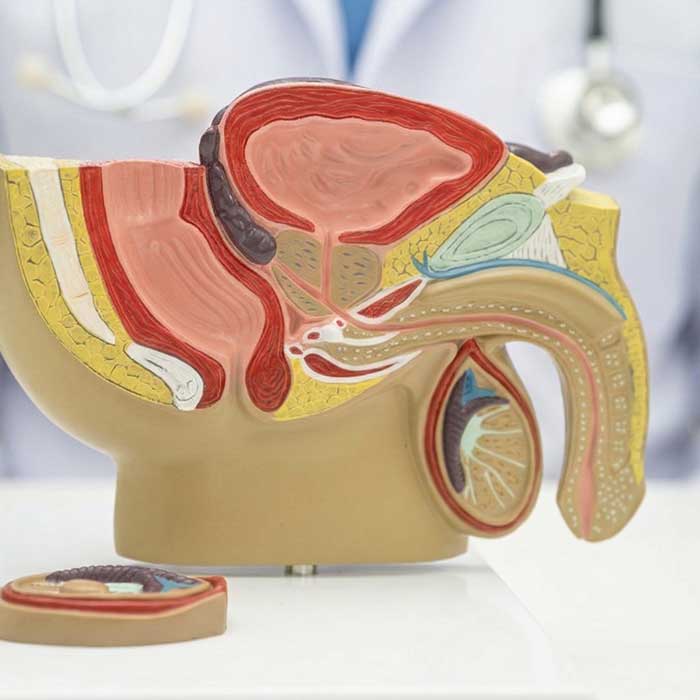
At Riverstone Urology Specialists, Dr. Russell Libby offers Aquablation therapy as one option for men with bothersome BPH. Aquablation uses a robotic system and a heat free waterjet to remove extra prostate tissue through the urethra, with no external incisions.
What Is Aquablation Therapy
Aquablation Therapy Treats BPH By Removing Prostate Tissue That Blocks Urine Flow. The System Combines Three Elements.
- Real time ultrasound imaging
- A tiny camera in the urethra
- A robotic arm that directs a heat free, high pressure waterjet
Aquablation reaches the prostate through the urethra, so no incision appears on the skin.


Who Dr. Libby Considers For Aquablation
Aquablation Is One Tool In A Larger BPH Toolbox. Dr. Libby Tends To Think About It For Men Who:
- Have moderate to severe urinary symptoms from BPH
- Feel limited by side effects or incomplete relief from medicine
- Prefer a surgical option with a strong focus on preserving sexual function
- Have a prostate size or shape that creates trouble for other procedures
Not every man with BPH needs Aquablation. Some do best with medicine, Urolift, GreenLight laser, or continued observation. The decision depends on symptoms, anatomy, health history, and goals.
How Aquablation Works Step By Step
Dr. Libby Explains Aquablation As A Two Stage Process Carried Out During One Operation Under Anesthesia.

Step 1, Planning
- A cystoscope (tiny camera) and an ultrasound probe work together to show the prostate in real time.
- On a screen, Dr. Libby outlines which tissue to remove and which areas to protect, such as the urinary sphincter and structures involved in ejaculation.
Step 2, Robotic Waterjet Treatment
- The robotic arm directs a heat free waterjet through the urethra.
- The system follows the planned map and removes the targeted tissue.
- The goal is a smooth channel through the prostate with a consistent result from case to case.
Potential Benefits Of Aquablation
Every Procedure Has Tradeoffs. The Reasons Dr. Libby Keeps Aquablation In His Toolkit Include:
- Strong symptom relief: Studies show large drops in IPSS symptom scores and better flow rates after Aquablation.
- Heat free tissue removal: The waterjet removes tissue without heat, which helps spare nearby nerves and structures.
- Broad prostate size range: Data support use across a wide range of prostate volumes, including larger glands that challenge other options.
- Sexual function profile: Published outcomes show high rates of preserved continence and erections, with lower rates of ejaculatory dysfunction than many traditional resection methods.


Risks And Limits
Aquablation Remains Real Surgery With Real Risk. Possible Issues Include:
- Bleeding that sometimes needs transfusion
- Infection
- Temporary trouble with urination once the catheter comes out
- Irritative urinary symptoms during healing
- Need for repeat treatment over time
- Rare injury to nearby structures
Dr. Libby walks through these risks in detail before anyone signs a consent form.
How Aquablation Compares With Other BPH Treatments
Dr. Libby Often Lays Out Treatment Choices Side By Side, So Men See How Aquablation Fits In.
Medicine
Urolift
Green Light And Other Laser Options
TURP
What To Expect Before And After Aquablation
Dr. Libby Explains Aquablation As A Two Stage Process Carried Out During One Operation Under Anesthesia.
Before The Procedure
- Review your symptom score, history, exam, and imaging
- Confirm that BPH drives your symptoms, not another condition
- Talk through options and decide together on Aquablation
The team then:
- Coordinates lab work and any needed medical clearance
- Gives written directions on fasting and medicine adjustments
- Schedules a surgery date at an affiliated hospital or surgery center
Day Of Surgery
- You arrive several hours before the planned time
- Staff review your history and place an IV
- You meet anesthesia and Dr. Libby again before heading to the operating room
- After surgery, you wake up in recovery with a catheter in place
Recovery
General patterns include:
- A catheter for one to a few days, depending on bleeding and urine flow
- Burning and urgency that fade over days to weeks
- Light activity at first, then gradual return to work and exercise as advised
How Dr. Libby Talks About Aquablation With Patients
In Clinic, Dr. Libby Often Frames Aquablation With Three Main Questions.
How Much Do Symptoms Limit Daily Life
What Matters Most To You Long Term
Does Your Anatomy Support That Choice
Aquablation For Men In Cypress And The Woodlands
If you live in this area and recognize the classic signs of BPH, such as slow stream, straining, and long nights in the bathroom, schedule a visit. The first step is a clear diagnosis and an honest talk. From there, you and Dr. Libby decide whether Aquablation, another procedure, or continued medicine makes the most sense for you.