

Cystoscopy
At Riverstone Urology Specialists, cystoscopy is one of the main tools Dr. Libby uses to sort out blood in the urine, repeated infections, urinary trouble, and tricky bladder symptoms when imaging or lab work does not tell the full story.
What Is A Cystoscopy
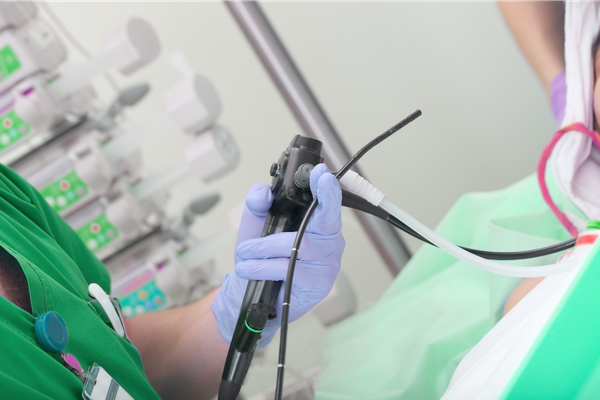
During Cystoscopy, Dr. Libby Passes A Small, Flexible Telescope Through The Urethra Into The Bladder. The Scope Has:
- A fiber optic camera
- A light source
- A channel for sterile fluid, which fills the bladder so the lining shows clearly
Most cystoscopies for diagnosis happen in the office with numbing gel. Some more involved cases need a rigid scope and sedation or anesthesia in a hospital or surgery center.

Why Dr. Libby Orders Cystoscopy
Cystoscopy Answers Questions That Imaging And Urine Tests Leave Open. Typical Reasons Include:
- Blood in the urine, even a single episode
- Frequent urinary tract infections
- Trouble starting or stopping urine flow
- Strong urgency or pain that does not match basic tests
- Abnormal bladder imaging
- Follow up for some bladder tumors or suspicious areas
Dr. Libby uses cystoscopy when the result is likely to change your plan, not as a routine step for every patient.
Flexible Vs Rigid Cystoscopy
There Are Two Main Styles Of Cystoscope.

Flexible Cystoscopy
- Uses a thin, bendable scope
- Usually done in the office
- Uses numbing gel in the urethra, no full anesthesia
- Fits best when the goal is inspection and simple tasks such as stent removal
Flexible Cystoscopy
- Uses a thin, bendable scope
- Usually done in the office
- Uses numbing gel in the urethra, no full anesthesia
- Fits best when the goal is inspection and simple tasks such as stent removal
Rigid Cystoscopy
- Uses a straight, slightly wider scope
- Often done with sedation or general anesthesia
- Allows more tools through the scope for tasks such as removing tumors or larger stones
How To Prepare For Cystoscopy
Dr. Libby And The Team Give Specific Instructions For Your Situation. In General, For An Office Cystoscopy:
- You let the staff know about blood thinners and other medicines
- You empty your bladder shortly before the procedure
- You sign a consent form after questions are answered

What Happens During Office Cystoscopy
A Typical Office Cystoscopy With Dr. Libby Follows A Simple, Step By Step Pattern:
- You lie on an exam table.
- Staff clean the skin around the urethral opening.
- Numbing gel goes into the urethra and sits for a few minutes.
- Dr. Libby passes the lubricated scope through the urethra into the bladder.
- Sterile fluid fills the bladder so the lining stretches and comes into view.
- He inspects the urethra, bladder neck, and full bladder lining, and in men, the prostate region.
- The scope comes out and the fluid drains.
In Some Cases, Dr. Libby Is Able To:
- Take small tissue samples (biopsies)
- Remove a small stone
- Remove or adjust a ureteral stent
After Cystoscopy, What To Expect
For One To Two Days After A Routine Flexible Cystoscopy, Mild Symptoms Are Common:
- Slight burning when you urinate
- A stronger urge to go for a short period
- A small amount of blood in the urine
Call The Office If You Notice:
- Fever or chills
- Clots in the urine
- Heavy bleeding
- Severe pain in the bladder or lower back
- Trouble passing urine

What Information Cystoscopy Gives Dr. Libby
Cystoscopy Gives Direct Visual Answers, For Example:
- Whether blood in the urine comes from a visible source such as a tumor, stone, or inflamed area
- Whether the urethra has a narrowing or stricture
- How the prostate blocks the channel in men
- Whether the bladder lining looks irritated, bleeding, or normal
- Whether prior treatment sites have healed as expected
Risks And Limits
Cystoscopy Is Common And Low Risk But Not Risk Free. Possible Issues Include:
- Urinary tract infection
- Bleeding that lasts longer than expected
- Temporary trouble urinating
- Rare injury to the urethra or bladder


How This Procedure Fits Your Overall Care
Dr. Libby Uses Cystoscopy When:
- Symptoms stay unclear after standard tests
- A serious cause such as tumor or severe inflammation needs to be ruled in or out
- Procedure planning for BPH, stones, or bladder conditions depends on direct inspection
Cystoscopy At Riverstone Urology
If you face blood in the urine, repeated infections, difficult urinary symptoms, or a recommendation for cystoscopy, schedule a visit with Dr. Libby. He will review why the test makes sense in your case, explain the process in plain language, and build a plan around the results rather than around guesswork.