

Hematuria (Blood In Urine)

Seeing blood in your urine is alarming. Even small streaks or a single episode deserve attention. Blood in urine is never normal, even when the urine looks clear and blood shows up only on a lab test.
At Riverstone Urology Specialists in Cypress, Dr. Russell Libby evaluates hematuria for adults from North Houston, Cypress, The Woodlands and nearby communities. His focus is simple. Find the source, rule out serious causes such as cancer or kidney damage, and build a clear plan for testing and follow up.
What Is Hematuria

Hematuria Means Blood In The Urine. There Are Two Main Types.
- Visible (gross) hematuria: Urine looks pink, red, brown, or tea colored.
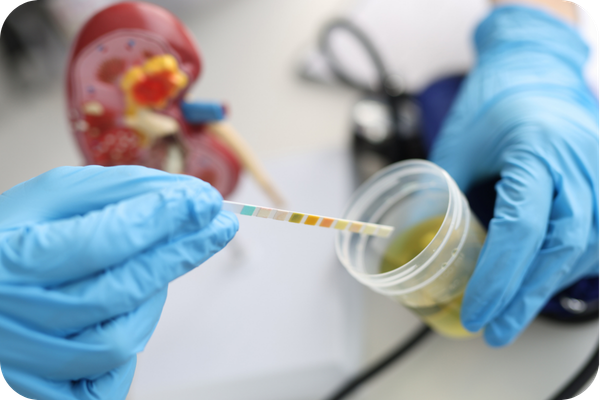
- Microscopic hematuria: Urine looks normal to the eye, but red blood cells show up on dipstick or under a microscope.
Doctors Also Look At:
- Painful versus painless hematuria
- Bleeding that starts at the beginning, throughout, or at the end of the urine stream
- Whether blood seems to come from kidney filters or from lower parts of the urinary tract
Even one episode deserves a proper workup, since tumors, stones, infection, and kidney disease sometimes cause brief bleeding that stops on its own.
Common Causes Of Blood In Urine
Blood In Urine Has Many Possible Sources. Some Are Relatively Simple, Others Serious. Examples Include:
- Kidney infections (pyelonephritis)
- Bladder infections and other urinary tract infections
- Kidney or bladder stones
- Kidney disease, such as inflammation of the filters (glomerulonephritis)
- Enlarged prostate from BPH, prostatitis, or age related changes
- Kidney injury from accidents or contact sports
- Cancer of the kidney, bladder, or prostate
- Inherited conditions such as sickle cell disease or other kidney syndromes
- Strenuous exercise in some long distance runners
Sometimes food, medicine, or menstrual blood changes urine color without true hematuria. Lab testing sorts this out.

Symptoms That Go With Hematuria
Hematuria itself is a sign, not a diagnosis. Other symptoms often travel with it.
Possible Features:
- Red, pink, or brown urine
- Small clots in the urine
- Burning or pain while you urinate
- Urgency or frequent trips to the bathroom
- Lower belly, flank, or groin pain
- Cloudy or foul smelling urine
- Fever, chills, nausea, or vomiting in more serious cases
A small amount of blood with no pain still needs evaluation, especially in adults over forty, because bladder or kidney tumors sometimes present this way.
When Hematuria Is An Emergency
You Need Urgent Or Emergency Care Right Away, Not A Routine Clinic Visit, If You Notice:
- Heavy blood with thick, dark urine you cannot see through
- Many clots or strings of clots
- Trouble starting urine or inability to pass urine at all
- Strong flank pain with fever, chills, or vomiting
- Feeling weak, lightheaded, or very unwell
These signs raise concern for blockage, severe infection, or significant blood loss. Hospital based testing and treatment protect kidney function and overall health in those situations.

How Dr. Libby Evaluates Hematuria
Hematuria Deserves A Structured Workup. At Riverstone Urology, Evaluation Usually Includes:
History And Exam
- How often bleeding appears and what the urine looks like
- Presence of pain, clots, or difficulty urinating
- History of stones, infections, kidney disease, or cancer
- Smoking history and chemical exposures
- Medicines, including blood thinners, aspirin, and some antibiotics
- Family history of kidney disease or blood disorders
Dr. Libby checks blood pressure, abdomen, flanks, and a focused pelvic or prostate exam when needed.
Urine And Blood Tests
- Urinalysis to confirm red blood cells and look for infection, protein, or crystals
- Urine culture if infection is in the picture
- Kidney function tests, blood counts, and other labs based on your situation
Imaging
- Ultrasound of kidneys and bladder for many patients
- CT urogram or similar study when risk for stones, tumors, or other structural issues is higher
Dr. Libby checks blood pressure, abdomen, flanks, and a focused pelvic or prostate exam when needed.
Cystoscopy
Cystoscopy uses a small camera through the urethra to inspect the bladder and urethral lining. It plays a key role when visible blood appears, when microscopic blood persists, or when risk for bladder cancer is higher because of age or smoking history.
In selected cases, Dr. Libby might recommend a biopsy or referral to a kidney specialist if the pattern points toward primary kidney disease.
Treatment For Hematuria
Treatment Targets The Underlying Cause, Not The Blood Alone. Examples:
Infections
Targeted antibiotics, pain relief, and follow up testing.
Stones
Hydration, pain control, and procedures such as shock wave lithotripsy or ureteroscopy when needed.
Enlarged Prostate Or Outlet Blockage
BPH medicines, minimally invasive procedures, or surgery, based on symptoms and risk.
Kidney Or Bladder Tumors
Endoscopic removal, biopsy, imaging, and coordinated cancer care.
Medical Kidney Disease
Workup and treatment in partnership with nephrology, often with blood pressure control and immune or metabolic therapy.
While urgent issues receive immediate attention, long term protection of kidney function and cancer surveillance remain central parts of the plan.

Lowering Future Risk And Preventing Recurrence
Not every case of hematuria is preventable, but smart habits lower risk for several common causes.
Helpful Steps:
- Drink enough water through the day to keep urine pale, within any limits from other doctors
- Do not smoke, and seek support to quit if you do
- Limit exposure to industrial chemicals and solvents when possible
- Follow stone prevention advice if you have a history of kidney stones
- Treat infections promptly and finish prescribed antibiotics
- Keep blood pressure, blood sugar, and weight in healthy ranges
For high risk patients, Dr. Libby may recommend ongoing monitoring with periodic urine tests, imaging, or cystoscopy based on national guidelines and your specific risk profile.
Right After Surgery
After TURBT
- You go to recovery while anesthesia wears off
- The catheter drains blood tinged urine from your bladder
- The team watches for pain, nausea, and heavy bleeding
Many patients go home the same day with a catheter that stays in for a short period. Others stay overnight if the tumor was large, bleeding was brisk, or other health issues require monitoring.
Expect In The First Days
- Burning when you urinate
- Blood in the urine that may come and go
- Frequent or urgent trips to the bathroom
- Mild lower abdominal discomfort
These symptoms usually improve over one to two weeks as the bladder heals.
Who Faces Higher Risk From Hematuria
Some People Deserve A Lower Threshold For Full Urologic Evaluation. Factors Include:
- Age over forty, especially in men
- Current or prior smokers
- History of chemical exposures in certain jobs
- Strong family history of kidney disease, stones, or urologic cancers
- Prior pelvic radiation or chemotherapy
- Long standing urinary symptoms such as frequency, urgency, or pain
Dr. Libby folds these details into the decision about how extensive testing should be and how closely you need follow up.

Hematuria Care At Riverstone Urology
Blood In Urine Deserves Clear Answers, Not Guesswork Or Reassurance Without Testing. At Riverstone Urology Specialists, Dr. Libby Offers:
- Prompt evaluation of visible and microscopic hematuria
- Full diagnostic workup with labs, imaging, and cystoscopy when indicated
- Treatment of infections, stones, BPH, and other causes in one practice
- Ongoing monitoring for patients with higher cancer or kidney risk
If you notice blood in your urine, even once, or if a routine test reports microscopic hematuria, schedule a visit with Riverstone Urology. The first step is a focused evaluation that explains where the blood comes from and what needs to happen next to protect your kidneys, bladder, and long term health.