

Interstitial Cystitis

Interstitial Cystitis / Bladder Pain Syndrome
At Riverstone Urology Specialists in Cypress, Dr. Russell Libby focuses on early recognition, symptom control, and long term quality of life for patients living with interstitial cystitis and bladder pain syndrome.
What Is Interstitial Cystitis / Bladder Pain Syndrome?
Key Points
- IC is also called bladder pain syndrome or painful bladder syndrome
- Symptoms last at least six weeks and often much longer
- Urine tests do not show an active infection
- Symptoms often flare and calm down over time
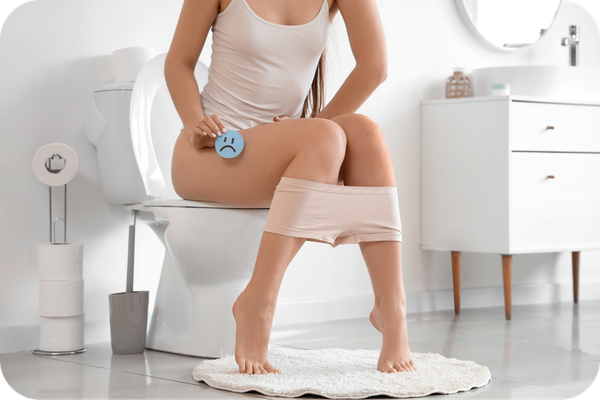
Symptoms
Symptoms Vary From Person To Person. They Can Range From Mild To Severe And May Change Over Time.

Common Symptoms Include
- Bladder or pelvic pain that gets worse as the bladder fills
- Pressure or discomfort in the lower abdomen, pelvis, or perineum
- Frequent urination, often more than 8 times a day
- Waking at night to urinate
- Strong, nagging urge to urinate even right after you go
- Burning or pain with urination in some patients
- Pain with or after sexual intercourse
- Flare ups triggered by certain foods, drinks, stress, or menstrual cycle
Location Of Pain
- In women, pain can involve the bladder, urethra, vagina, or pelvis
- In men, pain can involve the bladder, perineum, penis, testicles, or pelvic area
Possible Causes And Risk Factors
Experts Do Not Know The Exact Cause Of Ic. Several Theories Likely Fit Different Patients.
Proposed Mechanisms
- Defect in the bladder lining that lets urine irritate deeper tissues
- Overactive mast cells that release histamine and cause inflammation
- Abnormal nerve signaling from the bladder to the spinal cord and brain
- Immune system reaction that targets the bladder
- Longstanding irritation or injury to the bladder, such as past infection or surgery
Risk Patterns
- More common in women
- Often appears in middle adulthood
- May cluster in families in some cases
- Can occur along with other pain conditions such as irritable bowel syndrome or fibromyalgia

When To See Dr. Libby
You Should Schedule A Visit With Riverstone Urology If You Notice
- Ongoing bladder or pelvic pain without a clear infection
- Frequent urination during the day or night that disrupts life
- Strong urgency that feels out of proportion to your fluid intake
- Repeated treatment for “UTIs” with negative cultures or only brief relief
- Pain with sex that feels linked to bladder fullness or urination
How Interstitial Cystitis Is Diagnosed
There Is No Single Test That Proves Ic. Diagnosis Is Based On Symptoms Plus Tests That Rule Out Other Causes Such As Infection, Stones, Endometriosis, Bladder Cancer, Or Classic Overactive Bladder.
History And Exam
Dr. Libby will ask about
- Timing and pattern of pain, urgency, and frequency
- Relationship of symptoms to food, stress, and menstrual cycle
- Past bladder infections, gynecologic or urologic surgery
- Other pain conditions, bowel symptoms, and sexual function
Basic Tests
- Urinalysis and urine culture to exclude infection
- Sometimes urine cytology if there are red flags for cancer
- Post void residual test to see how well the bladder empties
Additional Tests When Needed
Based on your symptoms, Dr. Libby may recommend
- Voiding or bladder diary to track fluid intake, voids, and pain
- Cystoscopy to look inside the bladder, sometimes with gentle stretching (hydrodistention) to check for characteristic findings like small bleeding areas or classic Hunner lesions in some patients
Treatment Options At Riverstone Urology
Dr. Libby builds a stepwise plan based on your symptoms, other health issues, and your preferences.
Lifestyle Changes And Self Management
These are usually the first steps
Diet changes
- Reduce foods and drinks that trigger flares such as coffee, tea, soda, alcohol, citrus, tomato products, artificial sweeteners, and spicy foods
- Keep a food and symptom diary to identify your personal triggers
Bladder habits
- Timed voiding to avoid extremes of “holding too long” or “going every few minutes”
- Gentle bladder training over time to lengthen intervals between voids where possible
Stress and sleep
- Stress reduction techniques such as breathing work, gentle movement, or counseling
- Sleep hygiene so night time trips are easier to manage
Pelvic Floor Physical Therapy
Many patients with IC have tight or overactive pelvic floor muscles along with bladder pain.
Pelvic floor therapy may include
- Training to relax and coordinate pelvic muscles
- Hands on internal and external muscle work
- Education on posture, breathing, and bowel habits
Oral Medications
Common options include
- Pain relievers for flares, such as NSAIDs, when safe
- Antihistamines to reduce mast cell activity and bladder inflammation
- Tricyclic antidepressants such as amitriptyline, which can
- Calm overactive pain signals
- Improve sleep
- Reduce bladder spasms
- Pentosan polysulfate sodium, which aims to rebuild or protect the bladder lining in some patients
Bladder Instillations
Bladder instillations place medicine directly into the bladder through a small catheter. Many patients use these for more stubborn symptoms.
Common agents and combinations include
- Dimethyl sulfoxide (DMSO)
- Heparin
- Local anesthetics
- Steroid medicine for inflammation in selected cases
Neuromodulation And Advanced Therapies
These Can Include
- Tibial nerve stimulation in the office
- Sacral nerve modulation for selected patients with severe urgency and frequency
Living With Interstitial Cystitis
Good Care Focuses On
- Reducing pain and urgency
- Protecting sleep and daily function
- Addressing anxiety and depression when they appear
- Helping you understand your own triggers and early warning signs
Interstitial Cystitis Care At Riverstone Urology
At Riverstone Urology In Cypress, Serving The Greater Northwest Houston Region, You Can Expect
- Careful evaluation to confirm that your symptoms fit IC and not another condition
- Clear explanations of what IC is and what it is not
- A stepwise treatment plan that starts gently and builds if needed
- Access to pelvic floor therapy, diet guidance, bladder instillations, and advanced options when appropriate
- Long term follow up that adapts as your symptoms and life circumstances change