

Intravesical Botox For Overactive Bladder
At Riverstone Urology Specialists in Cypress, Dr. Russell Libby offers intravesical Botox as an advanced option for adults with overactive bladder whose symptoms did not improve enough with lifestyle changes and oral medicines or who could not tolerate those medicines.
What Is Overactive Bladder
Overactive Bladder, Often Shortened To OAB, Describes A Set Of Symptoms, Not One Single Disease. Common Features Include:
- Sudden strong urges to urinate
- Going to the bathroom many times during the day
- Waking from sleep to urinate
- Leaking on the way to the bathroom, called urge urinary incontinence
First line care focuses on behavior changes, pelvic floor therapy, and oral bladder medicines. Botox comes later in the sequence when those steps are not enough.

What Is Intravesical Botox
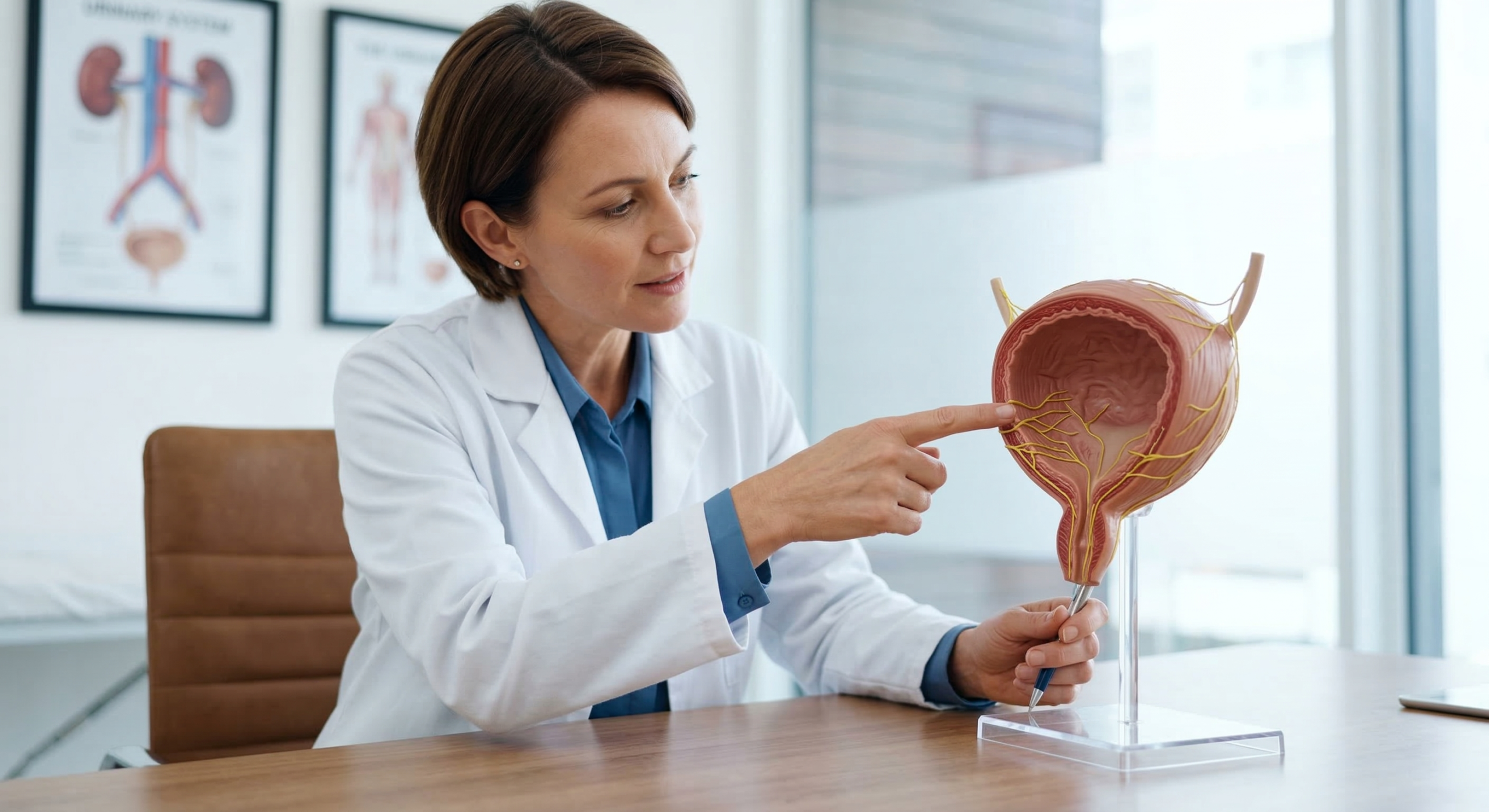
Inside The Bladder Muscle, Botox Blocks Release Of Acetylcholine, A Chemical Messenger That Triggers Contractions. The Result Is:
- Calmer bladder muscle
- Fewer spasms and urgency episodes
- Better storage capacity
- Less leakage from urge incontinence
The effect is temporary. Results usually last several months before the bladder slowly returns to its baseline activity level.
How Dr. Libby Thinks About Bladder Botox
Dr. Libby Treats Intravesical Botox As A Third Line Tool, Not A First Step. He Usually Considers It When:
- You have clear overactive bladder symptoms with or without urge urinary incontinence
- You have already tried bladder training and pelvic floor physical therapy
- You have tried or cannot tolerate oral OAB medicines because of side effects like dry mouth, constipation, blurry vision, high blood pressure, or cognitive concerns
- Symptoms still limit your daily life despite those efforts
The decision always comes after a structured evaluation, not from a quick request.

Who Might Be A Good Candidate

Intravesical Botox Might Be Appropriate If You:
- Urinate eight or more times in a typical day
- Wake at least two times a night to urinate
- Have sudden urges that cause leakage before you reach the bathroom
- Already tried medicines and pelvic floor therapy without enough relief
- Understand that the effect is temporary and repeat treatments are likely
It Is Usually Not Offered If You:
- Cannot or will not perform temporary self catheterization if needed
- Have an untreated urinary tract infection
- Have certain neuromuscular diseases or allergies to Botox ingredients
How To Prepare For The Procedure
For Most People, Bladder Botox Happens In The Office Or An Outpatient Setting. Preparation Usually Includes:
- Urine test to rule out infection
- Review of your current antibiotics, blood thinners, and other medicines
- Instructions on when to arrive and what to expect that day


Step By Step, What Happens During Intravesical Botox
A Typical Office Procedure With Dr. Libby Looks Like This:
- You arrive and provide a urine sample to confirm there is no infection.
- Staff clean the urethral area.
- Numbing jelly goes into the urethra and sits for several minutes.
- In some cases, extra numbing solution is placed in the bladder.
- Dr. Libby passes a small cystoscope through the urethra into the bladder.
- He inspects the bladder lining to rule out other issues.
- Using a fine needle that passes through the scope, he places a series of small Botox injections in the bladder wall at several points.
- The scope comes out and you rest for a short time before going home.
What To Expect After Bladder Botox
Right After The Procedure, Common Short Term Experiences Include:
- Mild burning with urination
- A small amount of blood in the urine
- Bladder cramping or a sense of fullness for a day or two
Symptom Changes Take Time. Typical Pattern:
- First few days: irritation symptoms fade
- One to three weeks: urgency and leakage episodes drop as the bladder calms
- Several months: benefits continue, then slowly wear off as the effect of Botox fades

Possible Risks And Side Effects
Botox For Overactive Bladder Has A Strong Safety Record, But There Are Real Risks To Understand. Known Issues Include:
- Urinary tract infection
- Temporary difficulty emptying the bladder, sometimes requiring self catheterization for a period
- Blood in the urine
- Pain or discomfort with urination
- In rare cases, spread of toxin effect that can cause muscle weakness away from the bladder, which is why dosing and technique matter
How Bladder Botox Compares With Other Advanced Options
For People With Overactive Bladder That Did Not Respond To First And Second Line Care, Advanced Options Generally Include:
For One To Two Days After A Routine Flexible Cystoscopy, Mild Symptoms Are Common:
- Strong reduction in urgency and leakage for many patients
- Office based procedure with local anesthetic
- Temporary effect, often several months
Nerve Stimulation Therapies
- Tibial nerve stimulation near the ankle
- Sacral neuromodulation with a small implanted device
- Useful when nerve signaling issues dominate your symptoms
Dr. Libby explains each route in plain language and helps you compare them in a way that fits your daily life.
Intravesical Botox At Riverstone Urology
If you live with constant urgency, frequent trips to the bathroom, or urge leakage despite medicines and pelvic floor work, schedule a visit. The first step is to confirm that you truly have overactive bladder, rule out other causes, and then decide together whether bladder Botox, nerve stimulation, or another plan fits you best.