

Pelvic Organ Prolapse
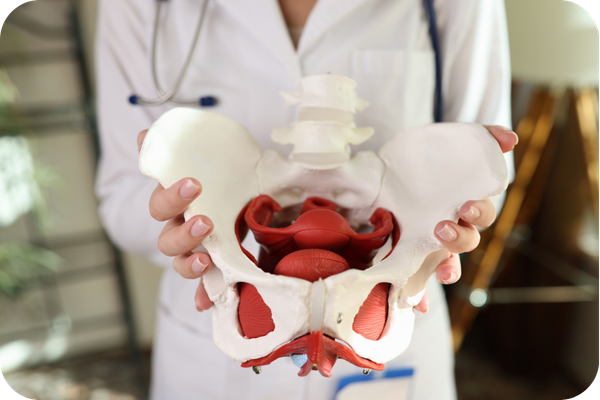
At Riverstone Urology Specialists in Cypress, Dr. Russell Libby evaluates pelvic organ prolapse with a simple goal. Reduce symptoms, protect bladder and bowel function, and help you feel more comfortable and confident in daily life.
What Is Pelvic Organ Prolapse?
Common Types Include
- Bladder prolapse, cystocele: The bladder bulges into the front wall of the vagina.
- Uterine or vaginal apex prolapse: The uterus drops down, or the top of the vagina sags after hysterectomy.
- Rectocele: The rectum bulges into the back wall of the vagina.
Pelvic organ prolapse is very common, especially in women who have had vaginal births and in women after menopause.
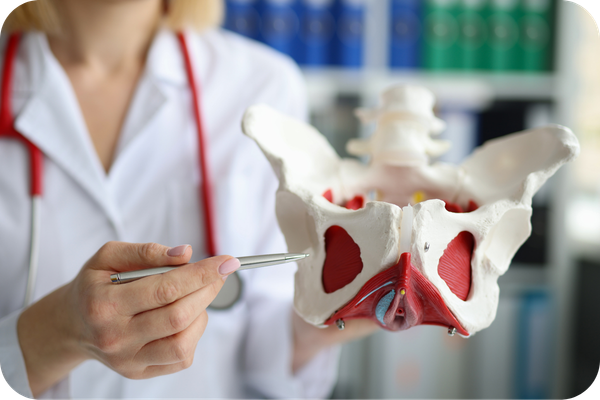

Symptoms
Some Women Feel Nothing. Others Have Symptoms That Affect Almost Every Part Of The Day. Typical Symptoms Include
- A feeling of pressure, fullness, or heaviness in the pelvis or vagina
- A bulge or tissue at the opening of the vagina that you can see or feel
- A feeling that you are sitting on a small ball or that something is “falling out”
- Need to push on the vagina or perineum to start or finish urination or bowel movements
- Trouble starting urine or feeling that the bladder does not empty completely
- Leaking urine with cough or activity, or strong urgency to urinate
- Constipation or difficulty passing stool
- Discomfort or pain with sexual intercourse
Common Causes And Risk Factors
Major Contributors Include
- Pregnancy and vaginal childbirth, especially multiple deliveries or forceps use
- Menopause and loss of estrogen support
- Aging and general weakening of connective tissue
- Obesity and long term heavy lifting
- Chronic constipation and straining
- Chronic cough from lung disease or smoking
- Prior pelvic surgery such as hysterectomy
- Family history of prolapse or connective tissue weakness


When To See Dr. Libby
You Should Schedule A Visit If You
- Feel a bulge at or beyond the vaginal opening
- Have pelvic pressure that affects walking, work, or exercise
- Have trouble emptying your bladder or bowels
- Leak urine with cough, laugh, or urgency
- Avoid intimacy because of pain, dryness, or embarrassment
- Have already been told you have prolapse and your symptoms are getting worse
If you feel symptoms are “bothersome,” that is enough reason to ask for help.
How Pelvic Organ Prolapse Is Evaluated
Evaluation Is Straightforward And Usually Completed In A Single Visit.

Additional Tests When Needed
Depending on your symptoms, testing may include
- Urinalysis to look for infection or blood
- Post void residual measurement to see how well you empty the bladder
- Urodynamic testing if bladder function is complex or surgery is planned
- Pelvic ultrasound or MRI in selected cases
Pelvic Exam
During a gentle pelvic exam, often with you bearing down or coughing, Dr. Libby looks for
- Location and degree of prolapse in the front, top, and back of the vagina
- Any skin irritation or ulceration
- Signs of pelvic floor muscle weakness or over tightness
Imaging When Needed
Treatment Options At Riverstone Urology
Not Every Woman With Prolapse Needs Surgery. Treatment Is Based On Symptom Severity, Your Health, And Your Personal Goals. Standard Options Include Observation, Pelvic Floor Therapy, Pessaries, And Surgery.
Observation And Lifestyle Changes
If symptoms are mild, you may choose simple measures such as
- Weight loss if you are overweight
- Treating chronic cough and avoiding tobacco
- Managing constipation with fiber, fluids, and stool softeners
- Avoiding heavy lifting when possible
Pelvic Floor Physical Therapy
Pelvic floor muscle training improves support in many women, especially those with early prolapse and mild to moderate symptoms.
A pelvic floor therapist can help you
- Learn correct Kegel technique
- Coordinate breathing with muscle work
- Reduce harmful habits such as constant straining
Pessary Support
Pessaries are useful when you
- Want to avoid or delay surgery
- Are not a good candidate for surgery because of other health problems
- Want a reversible option while you decide about long term plans
At the office, Dr. Libby will
- Fit the pessary to your anatomy
- Show you how it feels during standing and walking
- Teach you how to remove and clean it, or schedule visits for cleaning if self care is not comfortable for you
Surgical Repair
Depending on which organs are involved and whether you wish to keep the uterus, surgery may include
- Repair of the front or back vaginal wall to support bladder or rectum
- Suspension of the uterus or vaginal apex to strong ligaments
- Combined procedures that address prolapse and stress incontinence at the same time
Most repairs use your own tissues. Mesh use in the vagina has specific risks and is handled very carefully under current guidelines. For many women, native tissue repairs offer good results and avoid mesh.
Dr. Libby will explain
- What the operation does and does not do
- Expected recovery time
- Activity limits after surgery
- Realistic expectations for symptom relief and recurrence risk
Pelvic Organ Prolapse And Quality Of Life
Prolapse Is Not Life Threatening, But It Can Be Life Changing. Studies Link Untreated Prolapse And Its Related Issues To
- Limits on exercise and work activities
- Sleep disruption from urinary symptoms
- Avoidance of intimacy
- Increased anxiety and lower mood

Pelvic Organ Prolapse Care At Riverstone Urology
At Riverstone Urology In Cypress, Serving The Northwest Houston Region, You Can Expect
- A respectful, judgment free visit where you are heard
- Clear explanations of what prolapse is and what it means for your health
- Stepwise treatment that starts with the least invasive options
- Access to pelvic floor physical therapy, pessary fitting, and advanced surgical repair when needed
- Follow up that supports long term comfort and function