

Prostate Biopsy
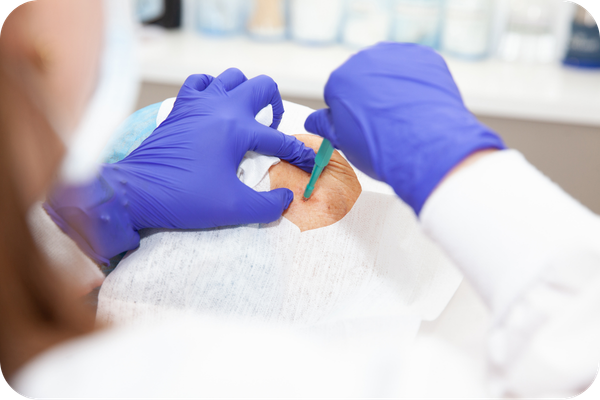
When PSA levels rise or a prostate exam feels abnormal, you want clear answers, not guesswork. A prostate biopsy is the test that tells Dr. Libby and you what is really happening in the prostate tissue, whether the cause is cancer, benign enlargement, inflammation, or a mix of issues.
At Riverstone Urology Specialists, prostate biopsy is done thoughtfully, not automatically. The decision to biopsy, the technique used, and the follow up plan all reflect your individual risk, age, health, and goals.
Why A Prostate Biopsy Is Done

Dr. Libby Usually Recommends Biopsy Only After A Careful Workup. Common Reasons Include:
- Elevated or rising PSA over time
- PSA that is higher than expected for prostate size and age
- Abnormal digital rectal exam, such as a firm or nodular area
- Concerning findings on prostate MRI
- Monitoring of known low risk prostate cancer when a change is suspected
A Biopsy Provides Tissue, Which Answers Questions That Blood Tests And Scans Cannot. Pathologists Look At:
- Whether cancer is present
- How aggressive the cancer cells look (Gleason grade group)
- Whether there is inflammation or other benign changes
Those details guide whether you need close monitoring, more testing, or active treatment.
Types Of Prostate Biopsy
There Are Two Main Ways To Reach The Prostate With A Needle.
Transrectal Ultrasound Guided Biopsy (TRUS Biopsy)
- A slim ultrasound probe goes into the rectum.
- Under ultrasound guidance, a spring loaded needle passes through the rectal wall into the prostate to take small cores of tissue.
Transperineal Ultrasound Guided Biopsy
- The needle passes through the skin between the scrotum and anus instead of through the rectum.
- Ultrasound still guides needle placement into different regions of the prostate.
Both methods take multiple cores from different zones of the prostate. Many centers are moving toward transperineal biopsy because it lowers infection risk compared with the traditional transrectal route, while still giving excellent diagnostic information.
Dr. Libby explains which technique he recommends for you and why.
How Dr. Libby Decides Whether To Biopsy
A Biopsy Is Not Automatic After One Abnormal Lab. Decision Points Usually Include:
- PSA level and how fast it has changed over months or years
- Results of repeat PSA tests, including free PSA or other refinements when appropriate
- Prostate size, symptoms, and family history
- Findings on digital rectal exam
- MRI results when available, including whether there are specific suspicious targets
He also considers your age, other health problems, and how you feel about the balance between early detection and the possibility of finding a very low risk cancer that might never cause trouble.

Preparing For A Prostate Biopsy
Before The Procedure, The Team Walks You Through:
Medicines
Which blood thinners, aspirin, or anti inflammatory medicines to hold and when, balanced against your heart and stroke risk.
Infection Prevention
For transrectal biopsy, antibiotics and sometimes rectal antiseptic preparation are used to lower infection risk. For transperineal biopsy, infection risk is naturally lower, so antibiotic plans can often be simpler.
Bowel Prep
A small enema may be recommended before a transrectal biopsy.
Eating And Drinking
For office based biopsies under local anesthesia, you usually eat light and drink normally. For biopsies with sedation, fasting rules apply and are given in writing.
You sign a consent form only after questions are answered and expectations are clear.
What Happens During The Biopsy
Whether Transrectal Or Transperineal, The Basic Flow Looks Similar:
- You check in, review your history, and change into a gown.
- You lie on your side or back, depending on approach.
- Local anesthetic is given around the prostate to reduce discomfort.
- Ultrasound images guide the urologist.
- A small, spring loaded needle quickly takes thin cores of tissue from different parts of the prostate.
- In total, often 10 to 14 cores are taken, sometimes more if there are MRI targets.
Each “click” of the needle is brief, with a sense of pressure more than sharp pain once the area is numb. The whole procedure usually takes less than 15 minutes once set up.
Afterward, you rest for a short time, then go home the same day.
What To Expect After A Prostate Biopsy
Before The Procedure, The Team Walks You Through:
For Several Days After The Biopsy, Common Effects Include:
- Soreness or pressure in the biopsy area
- Blood in the urine for a short period
- A small amount of blood in the stool for a few days after transrectal biopsy
- Blood in the semen that can last several weeks
These changes usually fade on their own. Drink extra fluids unless another part of your health history limits that.
Contact Dr. Libby Or Seek Urgent Care If You Notice:
- Fever or chills
- Trouble passing urine
- Large clots in the urine
- Severe pain that does not match the expected soreness
Those signs can point to infection or significant bleeding that needs attention.
You sign a consent form only after questions are answered and expectations are clear.
Understanding Biopsy Results
When The Pathology Report Returns, Dr. Libby Reviews It With You In Plain Language. The Report Usually Covers:
- Whether cancer cells are present
- The Gleason score or grade group, which reflects how aggressive the cells look
- How many cores contain cancer and how much of each core is involved
- Whether there are signs of inflammation or high grade precancerous changes
These changes usually fade on their own. Drink extra fluids unless another part of your health history limits that.
These Details Feed Into A Risk Category, Often Low, Intermediate, Or High Risk. That Category Then Shapes The Next Step:
- No cancer found: You discuss PSA monitoring, risk factor control, and whether further testing like MRI makes sense in the future.
- Very low or low risk cancer: Active surveillance, with careful periodic monitoring, is often a strong option.
- Intermediate or high risk cancer: You talk through definitive treatments like surgery, radiation, or combined approaches with clear pros and cons.
The goal is not simply to label you. The goal is to match the biology of the cancer, if present, with a treatment intensity that makes sense for your life and health.
Risks And Limits Of A Prostate Biopsy
A Biopsy Gives Critical Information, But It Has Limits And Risks. Known Issues Include:
- Infection, sometimes severe enough to require hospital care
- Bleeding from rectum, urine, or semen
- Temporary difficulty urinating
- Discomfort or pain after the procedure
- Small chance of missing a cancer focus, especially if it is tiny or in a hard to reach area
MRI targeted techniques and improved sampling patterns help reduce the chance of missing significant cancers, but no method reaches 100 percent certainty.

Prostate Biopsy Care At Riverstone Urology
At Riverstone Urology, Dr. Libby uses biopsy as a focused tool, not a default reflex. Decisions around when to biopsy, which technique to use, and how to act on the results are all individualized for men in North Houston, Cypress, The Woodlands or a nearby community.
If you have an abnormal PSA, a concerning exam, or a prior biopsy that left you unsure what to do next, schedule a visit. The conversation starts with your values and questions, then moves step by step toward a plan, whether that involves biopsy now, more monitoring, or a different path.