

Robotic Urologic Surgery
Robotic and Minimally Invasive Urologic Surgery in Cypress, TX - Riverstone Urology
At Riverstone Urology Specialists, Dr. Russell Libby uses robotic and minimally invasive approaches whenever they are safe and appropriate. This page explains what that means, which conditions might need surgery, and how the process works from evaluation through recovery.
What Is Robotic Urologic Surgery
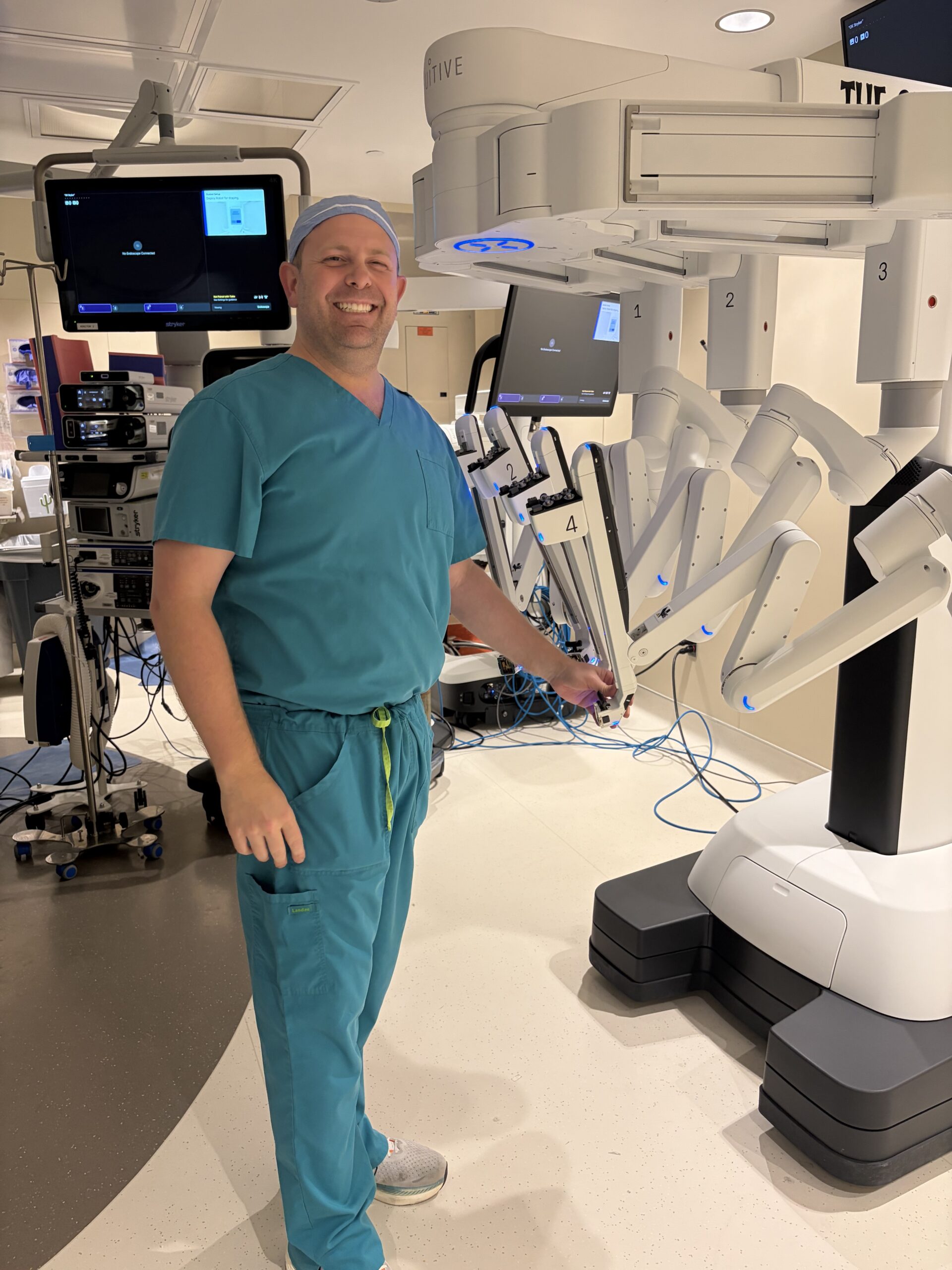
Instead of making one large incision and working directly with his hands, Dr. Libby uses a set of small incisions and a robotic system with wristed instruments and a high definition camera. He sits at a console a few feet from you, controls the instruments in real time, and sees a magnified view inside the body.
You do not interact with the robot. You interact with your surgeon and care team. The robot is a tool that helps Dr. Libby work with more precision in tight spaces like the pelvis and around the kidneys.
Why A Urologist Uses Robotic And Minimally Invasive Techniques

Urology Often Deals With Small Structures And Delicate Nerves. Robotic And Minimally Invasive Approaches Help With:
- Working through small incisions instead of one large cut
- Seeing tiny blood vessels and nerves more clearly
- Moving instruments in tight spaces
- Controlling bleeding with more accuracy
For Many Patients, The Benefits Include:
- Shorter hospital stays in many cases
- Less pain after surgery
- Smaller scars
- Faster return to walking, driving, and daily activity, when everything goes well

Conditions That Might Involve Robotic Or Minimally Invasive Surgery
Dr. Libby Evaluates And Treats A Range Of Conditions. Some Of Them May Lead To Surgery After Careful Workup And Discussion. Examples Include:
- Kidney stones that require more than office based procedures
- Narrowing or blockage of the ureter
- Kidney masses that need partial or full removal
- Some prostate related problems
- Some bladder and ureteral conditions
How Dr. Libby Decides If Robotic Surgery Makes Sense
The Decision To Use A Robotic Or Minimally Invasive Approach Never Starts With The Robot. It Starts With You.
Careful Diagnosis
Before any talk of surgery, Dr. Libby focuses on the basics:
- Your story and symptoms
- Prior records and imaging
- Focused physical examination
- Updated imaging or tests if needed
Review Of All Options
Once The Diagnosis Is Clear, You Talk Through Possible Paths:
- Observation only in some cases
- Lifestyle changes and medicine
- Office based procedures
- Robotic or other minimally invasive surgery
- Open surgery in selected situations
Matching Method To Patient
Dr. Libby factors in:
- Your age
- Other medical conditions
- Prior surgeries
- Anatomy on imaging
- How urgent the situation is
- Your goals for recovery and function
What To Expect Before Robotic Or Minimally Invasive Surgery
Preoperative Visit
At This Visit, You Review:
- The diagnosis in plain language
- What the surgery is designed to fix
- What will happen on the day of surgery
- Expected benefits and possible risks
- Alternatives, including doing nothing
You Will Also Go Over:
- Medication changes
- Fasting rules
- Lab work and any needed clearance from other doctors
Day Of Surgery
Details Vary By Hospital And Procedure, But There Is A Basic Pattern:
- You arrive at the surgical facility several hours before your scheduled time
- Nurses and anesthesia staff review your history and answer questions
- Dr. Libby meets you before you go back to the operating room
- After surgery, you spend time in recovery, then either go home or go to a hospital room, depending on the procedure and how you are doing
Before You Leave The Hospital Or Center, You Receive:
- A summary of what was done
- Home care instructions
- A list of medicines to use and avoid
- A follow up appointment time
Recovery And Follow Up
Recovery Depends On The Type Of Surgery And Your Health. Many Robotic And Minimally Invasive Procedures Allow:
- Walking the same day or the next day
- Return to desk work within a shorter period compared to open surgery, when healing goes well
- Gradual return to lifting and more intense activity based on your follow-up visits
During Follow Up, Dr. Libby Checks:
- Pain control
- Healing of incisions
- Bladder or kidney function
- Lab results and imaging if needed

Safety, Risk, And Honest Conversation
A Key Part Of Dr. Libby’s Role Is To Explain Risk In A Way You Understand. That Includes:
- Your personal risk based on health conditions
- Any chance that the operation might need to convert from robotic to open
- What happens if you choose not to have surgery
How Robotic Experience Supports The Rest Of Your Care
Even If You Never Need Surgery, It Helps To Know That Your Urologist:
- Understands the full range of surgical options
- Has experience managing complex problems in the operating room
- Can coordinate with hospital teams when a problem becomes urgent or severe
Robotic And Minimally Invasive Urologic Surgery For Cypress And The Woodlands
If you have been told you might need urologic surgery, or you are dealing with a problem that has not improved with medicine or basic procedures, schedule a visit. The goal is not to rush you to the operating room. The goal is to review your situation, talk through options, and decide together whether robotic or minimally invasive surgery has a place in your care.