

Transurethral Laser Vaporization Of The Prostate
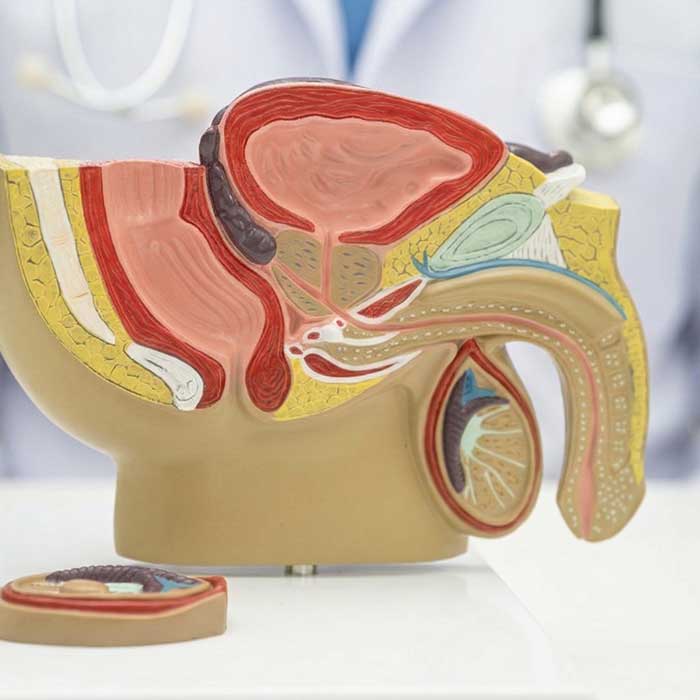
Prostate Laser Surgery For Enlarged Prostate (BPH)
Urinary symptoms from an enlarged prostate make life hard. Frequent bathroom trips, slow stream, weak flow, and sleepless nights take a toll on work, travel, and intimacy.
At Riverstone Urology Specialists in Cypress, Dr. Russell Libby offers prostate laser surgery to relieve symptoms of benign prostatic hyperplasia, BPH, with less bleeding and faster recovery than many traditional operations.
What Is Prostate Laser Surgery?
Prostate laser surgery is a minimally invasive procedure for men with moderate to severe urinary symptoms from BPH. A small scope passes through the urethra. A laser fiber runs through the scope and delivers focused light energy to vaporize or remove extra prostate tissue blocking urine flow.
Main Laser Approaches Include
- Photoselective vaporization of the prostate, PVP: Laser energy vaporizes extra tissue and opens the channel so urine flows more freely.
- Holmium laser ablation of the prostate, HoLAP: Similar to PVP but uses a different laser wavelength.
- Holmium laser enucleation of the prostate, HoLEP: Laser energy separates and removes the full inner portion of the prostate which squeezes the urethra. Another tool then cuts tissue into small pieces for removal. HoLEP works well for large glands.
Choice of laser method depends on prostate size, overall health, and Dr. Libby’s judgment and training, along with equipment at the surgical center.

Symptoms And Problems Prostate Laser Surgery Treats

Prostate Laser Surgery Targets Urinary Symptoms Related To BPH, Such As
- Frequent or urgent need to urinate
- Trouble starting the stream
- Slow or prolonged urination
- Stopping and starting while you urinate
- Nighttime trips to the bathroom
- Feeling that the bladder never empties
- Repeated urinary tract infections from poor bladder emptying
Laser Surgery Also Helps Prevent Complications From Blocked Urine Flow, For Example
- Ongoing urinary retention
- Bladder stones
- Repeated infections
- Damage to bladder or kidneys
- Blood in the urine
If medication never gave enough relief, or you stopped pills because of side effects, laser surgery offers a more direct solution.
Who Is A Good Candidate
Prostate Laser Surgery Suits Men With
- Moderate to severe urinary symptoms from BPH
- Prostate size in a range where laser techniques work well
- Desire for faster symptom relief than medication usually provides
- Complications such as infections, bladder stones, blood in urine, or retention
Laser surgery works especially well for men who take blood thinners or live with a bleeding disorder, because bleeding risk stays lower compared with many standard operations.
Dr. Libby reviews goals, health history, prostate size, and other treatment options such as medication, Urolift, TURP, Aquablation, or watchful waiting. Then you decide together which path fits best.


Benefits Of Prostate Laser Surgery
Compared With Traditional Transurethral Resection Of The Prostate, TURP, Or Open Surgery, Prostate Laser Surgery Offers Several Advantages For Many Men
- Lower risk of bleeding
- Outpatient treatment or short overnight stay in many cases
- Faster recovery for most patients
- Short catheter time, often less than 24 hours
- Symptom relief that usually starts soon after surgery
- Durable improvement in urinary flow for most men
Every case differs. Dr. Libby explains benefits and tradeoffs in clear language during your visit.
How To Prepare
Before Surgery, You Receive Specific Instructions. Steps Often Include
- Stopping blood thinners and certain pain relievers a few days before surgery, only under guidance from your physicians
- Starting an antibiotic to lower infection risk
- Arranging a ride home, since you receive anesthesia and might leave with a catheter in place
You also review your full medication list, allergies, and medical history so the team prepares safely.


What Happens During Prostate Laser Surgery
On the day of surgery you receive either general anesthesia or spinal anesthesia, so you remain comfortable.
Typical Steps
- A narrow scope passes through the tip of the penis into the urethra.
- The scope reaches the prostate portion of the urethra.
- A laser fiber passes through the scope.
- Dr. Libby uses laser energy to vaporize or cut away prostate tissue which blocks urine flow.
- With enucleation techniques, another device breaks tissue into small pieces and removes them.
No external incision on the abdomen or perineum is required.
Recovery And Expected Results
Most men leave surgery with a temporary catheter because swelling at the prostate area narrows the urethra for a short time. Once you pass urine well on your own, the catheter comes out.
In The First Days Or Weeks You Might Notice
- Blood in the urine, often light and fading over time
- Burning, especially near the tip of the penis or at the end of urination
- Frequent urge to urinate or nighttime trips
- Temporary leakage as the bladder adjusts to a wider outlet
These changes usually improve as swelling settles and the bladder relearns a lower pressure pattern.
Dr. Libby Likely Recommends
- Rest and no heavy lifting for a period based on your exact procedure, often a few days after PVP and up to two weeks after HoLEP
- No sex for one to two weeks, since ejaculation too soon leads to pain or bleeding
- Full use of any prescribed antibiotic course
Most men experience stronger stream and easier bladder emptying after healing, with lasting relief from many BPH symptoms.
Risks And Possible Side Effects
All Prostate Procedures Carry Some Risk. For Prostate Laser Surgery, Possible Issues Include
- Temporary trouble urinating, which sometimes needs a catheter for a short period
- Urinary tract infection
- Scar tissue in the urethra, also called a stricture, which narrows the channel
- Retrograde ejaculation, semen flows backward into the bladder instead of out through the penis, usually without pain but with impact on fertility
- Erectile dysfunction, lower risk than with many traditional operations but still possible
- Need for retreatment, more common after vaporization procedures when some tissue remains, less common after enucleation procedures because tissue removal is more complete
Serious long term complications occur less often with laser procedures than with many standard operations, based on large reviews.
Dr. Libby reviews these risks along with your health history so you know what to expect.
Prostate Laser Surgery At Riverstone Urology
At Riverstone Urology In Cypress You Receive
- Careful evaluation of urinary symptoms and prostate size
- Review of medication options and in-office procedures alongside surgery
- Access to modern laser techniques matched to your prostate and health
- Clear pre- and post-operative instructions
- Follow up visits focused on symptom relief, bladder health, and sexual function
If you live with frequent urination, weak flow, or other signs of BPH and want to explore prostate laser surgery, contact Riverstone Urology to schedule a visit with Dr. Libby. A focused evaluation and a straightforward plan help you move from coping with symptoms toward stronger stream and more restful nights.